Every through-sheet fastener on a pierce-fix roof is a potential leak point over the building's life — sealed correctly at install, but a maintenance risk from year one. Concealed-fix (secret-fix) decking removes that risk entirely by clipping sheets together without penetrating the pan, at a cost premium that's easy to justify on the right roof and hard to justify on the wrong one.
What actually differs between the two systems
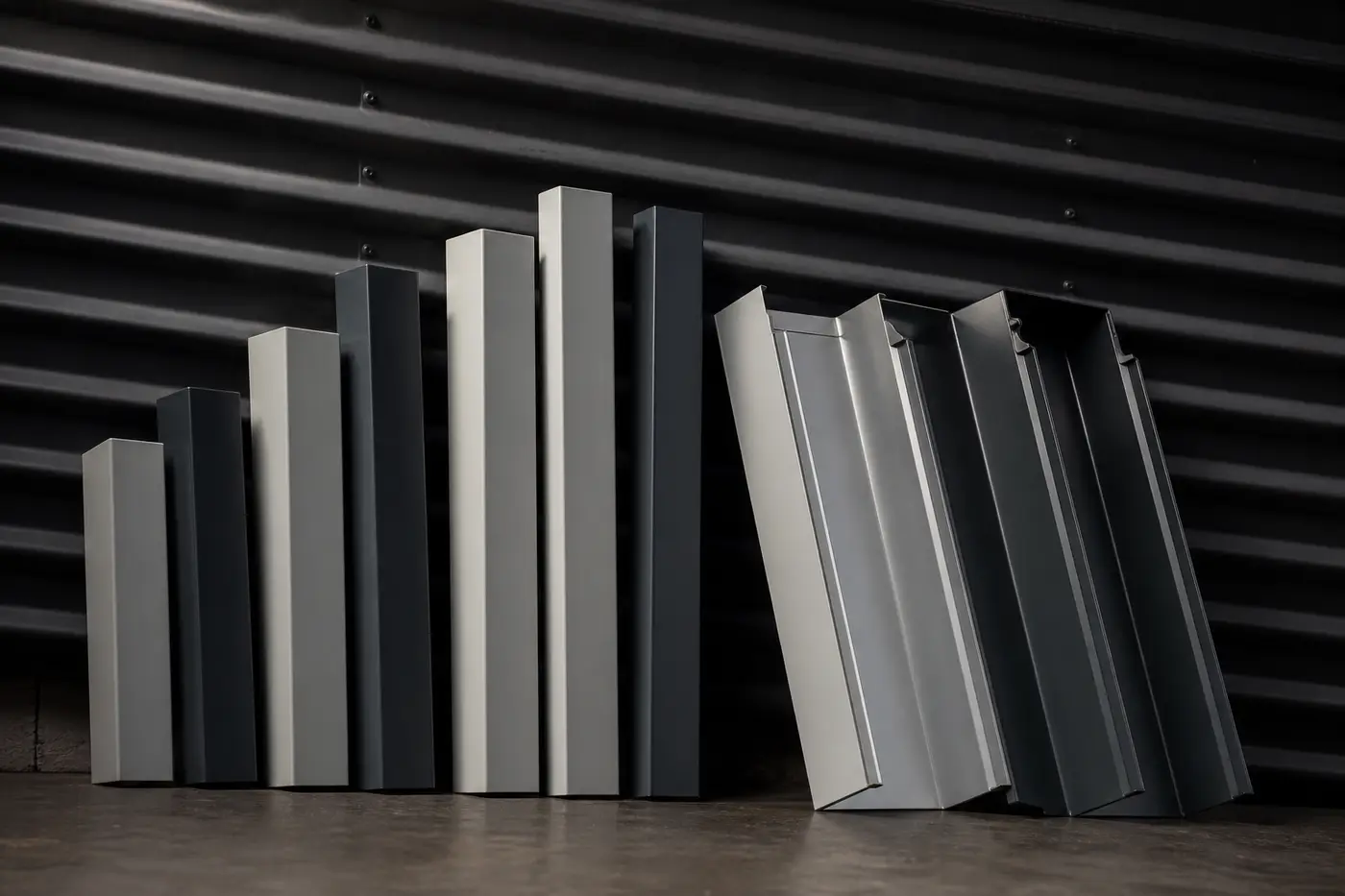
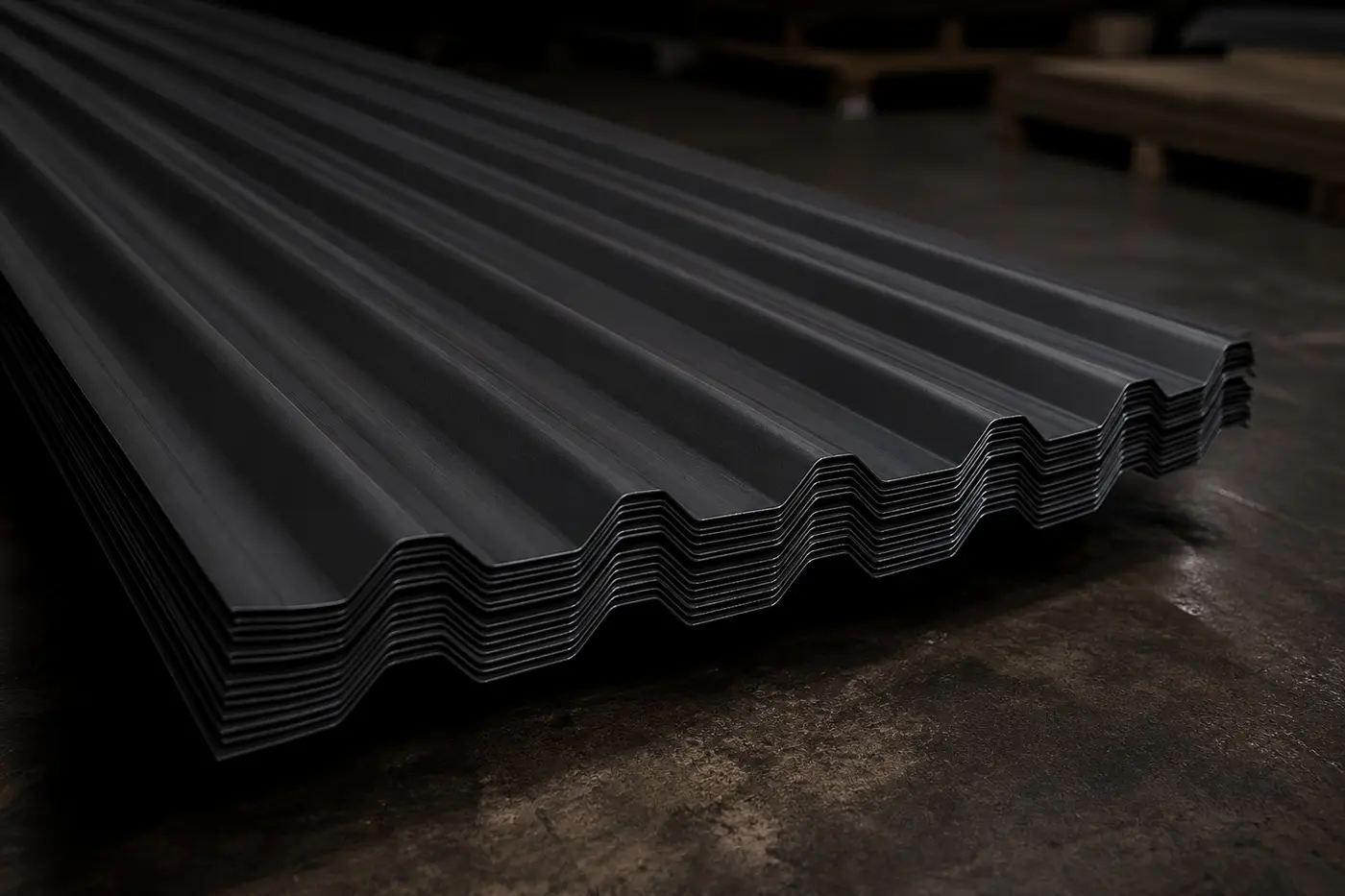
Pierce-fix profiles — classic corrugated and trapezoidal rib sheets in COLORBOND® and ZINCALUME® steel — fix through the sheet into the purlin with a sealing washer at every fastener. It's the most common, most cost-effective commercial roofing approach, well proven at standard commercial pitches. Concealed-fix decking clips onto a standing seam or similar profile without any fastener penetrating the weather face of the sheet — the fixing happens at the seam, hidden from weather exposure.
Where concealed-fix earns its premium
- Low pitch roofs (as low as 1°) — pierce-fix relies partly on pitch to shed water away from fastener points; at very low pitches, concealed-fix systems designed for minimal fall reduce leak risk significantly.
- Long-run roofs — concealed-fix profiles are typically supplied for long-run capability, minimising end laps that are themselves leak-risk points on extended roof planes.
- Architectural and street-visible commercial roofs — the clean, fastener-free finish reads as a premium result, which matters on retail, hospitality and civic buildings where roof appearance is part of the design brief.
- Buildings where roof access for maintenance is difficult or costly — fewer potential leak points reduces the lifetime maintenance burden on hard-to-access roofs.
Where pierce-fix is still the right call
Standard-pitch industrial sheds, warehouses and straightforward commercial roofs where cost efficiency matters more than architectural finish are well served by pierce-fix — it's a mature, well-understood system with a strong track record when installed correctly (proper washer seating, correct fastener gauge and length, and washers checked before handover). Don't spec concealed-fix as a default "better" option where pierce-fix's slightly higher leak risk simply isn't a meaningful factor in the building's use or budget.
The decision isn't "which system is better" in the abstract — it's whether this specific roof's pitch, run length, access constraints and visual brief justify the concealed-fix premium. On a standard-pitch shed with easy roof access, that premium often doesn't buy much.
Fixing detail and thermal movement
Concealed-fix systems accommodate thermal expansion differently to pierce-fix — clip spacing and seam detail are engineered to allow sheet movement without stressing the fixing, which matters more on long runs subject to significant temperature swings. Confirm clip spacing against the manufacturer's span tables for the actual roof length and expected temperature range, not a generic spacing carried over from a different job.
Getting the spec right
Before choosing between systems, confirm: roof pitch and run length, visual/architectural requirements, maintenance access constraints, and budget tolerance for the concealed-fix premium. Send us the roof plan and we'll help confirm which system — and which specific profile within it — actually fits the building, rather than defaulting to whichever was used last time.