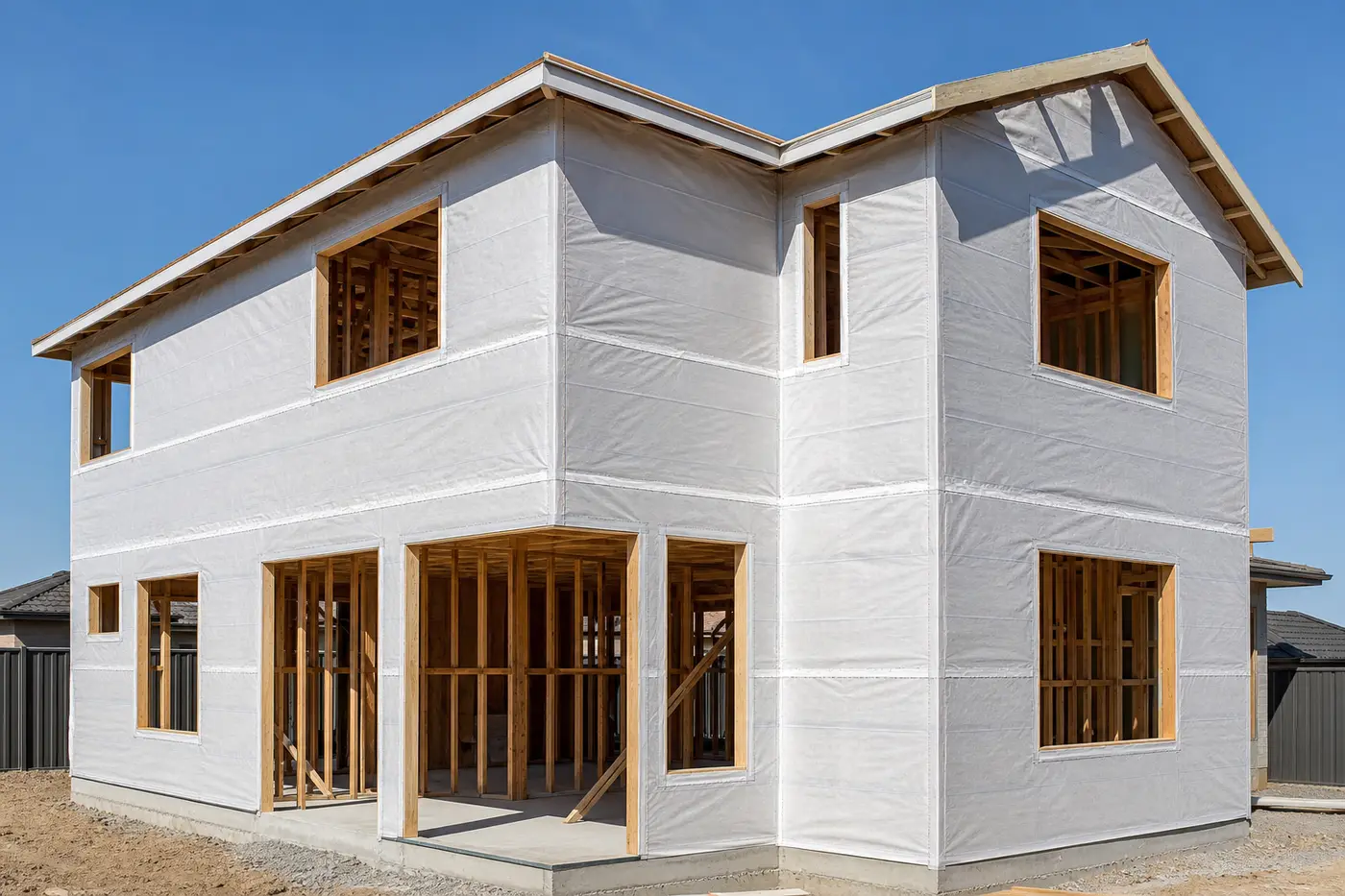
Wall wrap failures rarely happen because the product was wrong on day one — they happen because the program ran longer than the membrane was rated to sit exposed. Commercial builds, especially multi-storey or staged cladding jobs, routinely leave wall wrap in the weather for months rather than the weeks a standard residential-grade membrane is tested against.
What "heavy duty" actually changes
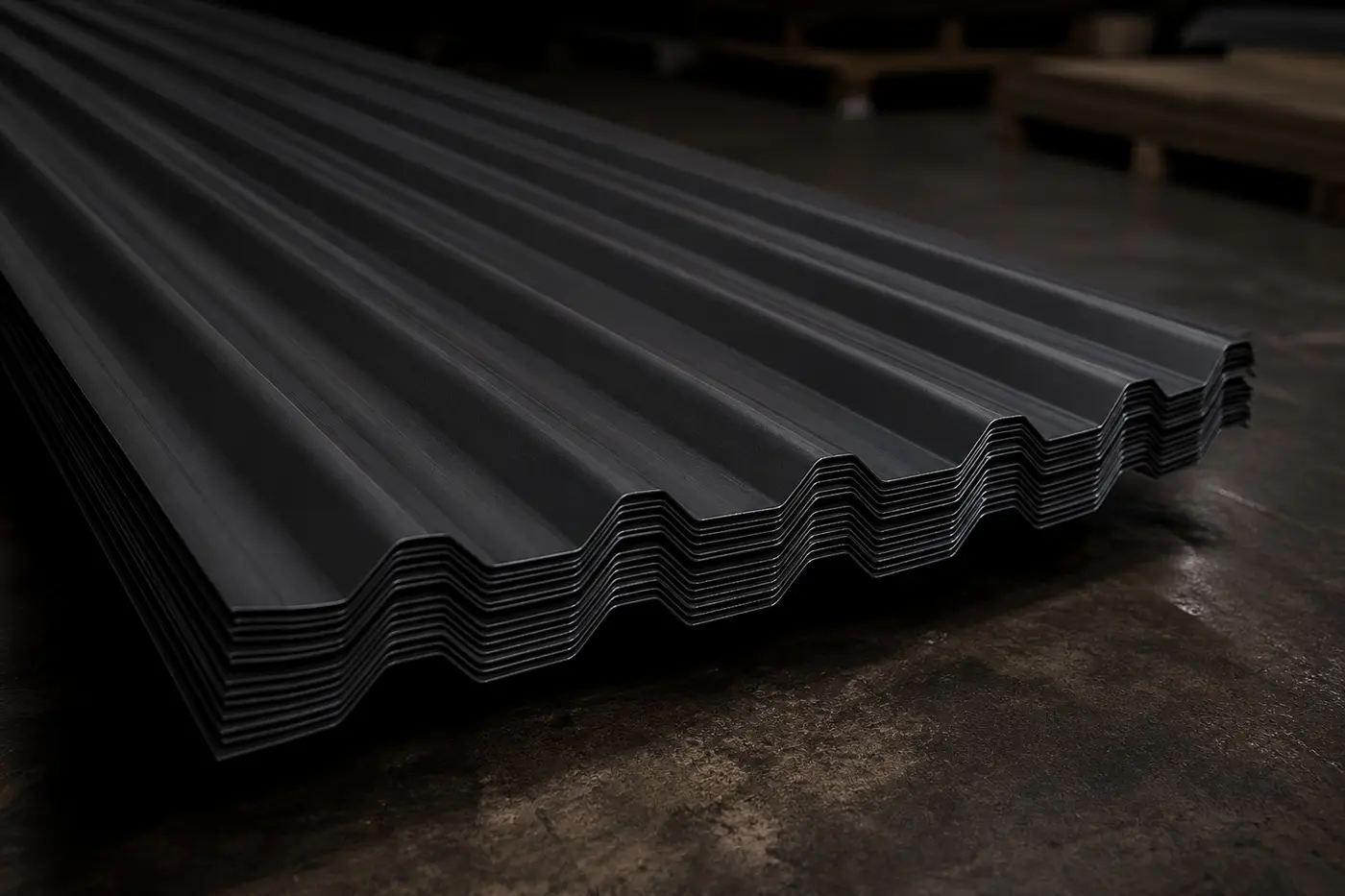
Heavy duty wall wrap isn't just a thicker version of the same product — it's typically a different construction, often with reinforced facing and a longer rated UV exposure window before cladding needs to go on. On a commercial program where structural steel, services coordination, or staged trades push the cladding date out weeks past the original schedule, a light-duty membrane can be past its rated exposure limit before the wall is even closed in.
Where the risk actually shows up
- Multi-storey commercial and residential builds — scaffold access, staged floor pours and services coordination routinely extend the exposed period well beyond a light wrap's rating.
- Large footprint industrial and warehouse walls — a big wall area takes longer to clad than a single residential elevation, extending exposure time proportionally.
- Winter and high-UV program timing — Melbourne's UV load in summer months accelerates degradation of light-duty facings; a program running through peak UV season needs more margin.
- Projects with uncertain cladding lead times — if the cladding package hasn't been locked in, specify for the exposure risk, not the optimistic schedule.
The failure mode we see most is degraded tape adhesion at laps after extended exposure, not the membrane itself tearing. Heavy duty facings generally hold high-tack acrylic tape more reliably over a longer exposure window — but tape quality still matters as much as the membrane grade.
Tape and fixing details matter as much as the membrane
Specifying heavy duty wall wrap without upgrading the tape at laps and penetrations only solves half the problem. Use a high-tack acrylic tape rated for the same or longer exposure window as the membrane, and make sure penetration seals (services, brackets, scaffold ties) are re-checked before final cladding — extended exposure means more opportunity for incidental damage that needs patching before it's covered.
When standard duty is still the right call
Not every commercial job needs heavy duty wrap. A tightly scheduled build where cladding follows within the standard membrane's rated window, on a lower-exposure elevation, can run standard duty without issue and without the cost premium. The decision should be driven by realistic exposure duration, not a blanket "commercial jobs always get heavy duty" rule.
Specifying for the program you actually have
Before locking in wall wrap grade, confirm with the builder: expected time from wrap install to cladding close-in, elevation exposure (north/west faces see more UV), and whether the program has any known risk of delay. If there's genuine uncertainty, heavy duty buys margin cheaply compared to the cost of re-wrapping a wall that's failed before cladding arrives. Send us the elevation schedule and we'll help confirm the right duty class for each wall, not a single spec across the whole building.