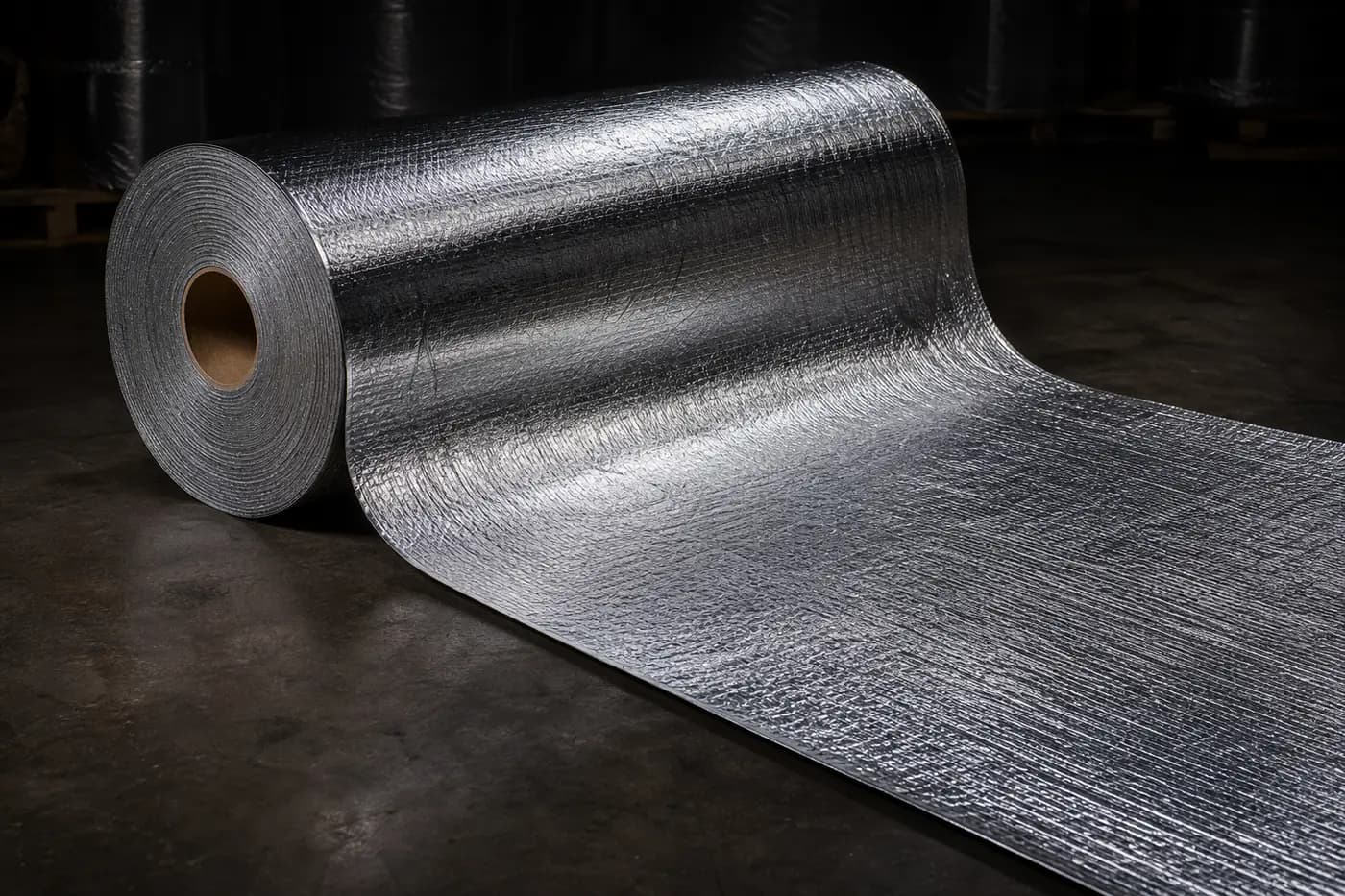
Fire-retardant sarking with a flammability index of 5 or less exists to satisfy specific compliance requirements — it's not a generic upgrade that makes a building "more fireproof" in some general sense. Understanding exactly when it's required (and when standard sarking is entirely appropriate) avoids both non-compliance and unnecessary cost.
The two main triggers
BAL (Bushfire Attack Level) ratings on bushfire-prone land trigger construction requirements under AS 3959, and roof sarking with an appropriate flammability rating is frequently part of that compliant construction package — particularly at higher BAL ratings where ember attack and radiant heat exposure are more severe. Commercial fire specifications — driven by building classification, occupancy type, or specific fire engineering requirements on larger commercial and industrial projects — can mandate low-flammability materials as part of a broader fire safety strategy independent of bushfire risk.
Confirming which applies to your job
Before assuming a job needs fire-retardant sarking, check:
- Is the site on bushfire-prone land with an assigned BAL rating? This is usually documented in the planning permit or a bushfire attack level assessment specific to the site.
- Does the building's fire engineering report or commercial fire specification explicitly call for low-flammability roof materials? This is separate from BAL and applies based on building classification and use, not site bushfire risk.
- Is there a council or authority overlay requiring fire-rated materials for reasons other than the above — some municipalities apply additional requirements beyond the base BAL assessment.
If none of these apply, standard sarking is generally appropriate, and specifying fire-retardant product "to be safe" without a documented requirement adds cost without a corresponding compliance need.
The compliance risk runs in both directions — installing standard sarking where fire-retardant product was required is a genuine non-compliance that can be caught at final inspection or certification, while over-speccing everywhere "just in case" inflates cost on jobs where it was never required.
What changes with fire-retardant sarking
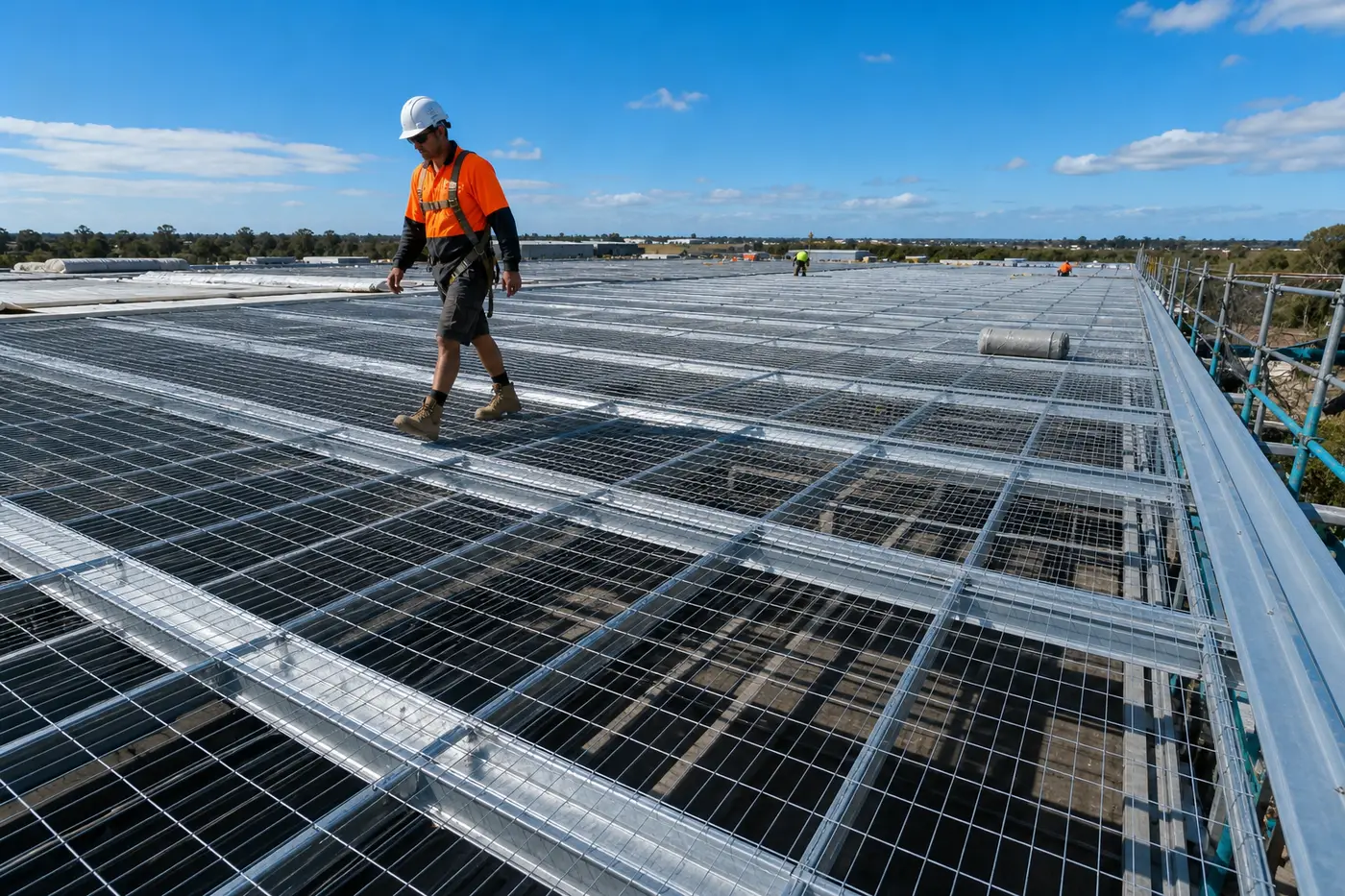
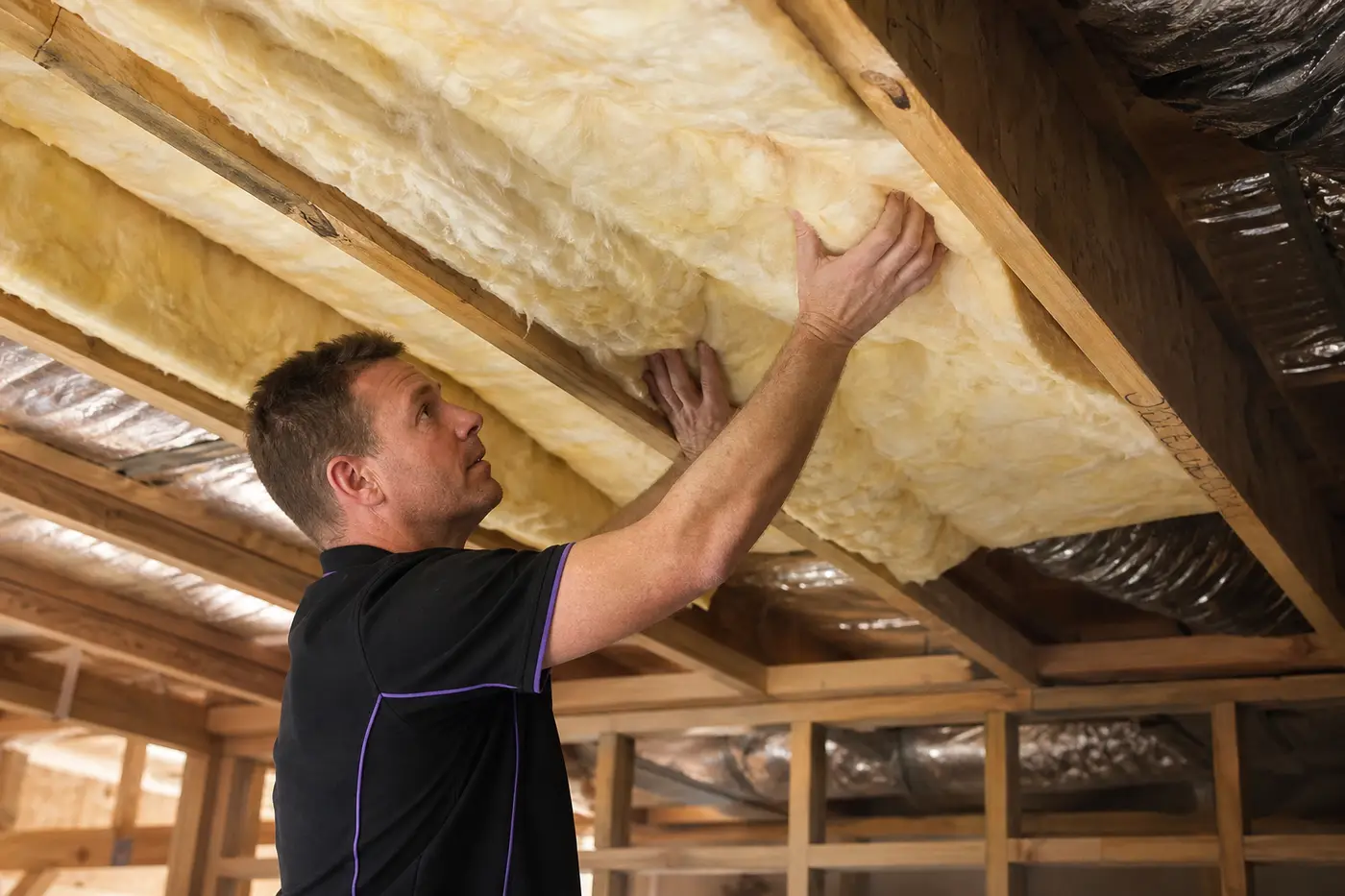
Beyond the flammability rating itself, fire-retardant sarking is typically used the same way as standard sarking in terms of lap direction, support spacing and fixing detail — the compliance difference is in the material's fire performance, not the installation method. Don't assume fire-retardant product needs a different install approach without checking the specific manufacturer's guidance, but also don't assume it's a drop-in replacement without confirming compatibility with the rest of the BAL-rated system if one applies (mesh, insulation and other components may also carry specific BAL requirements).
Documentation matters as much as the product
On BAL-rated builds, keep documentation of the specific product's flammability index and BAL compliance alongside the build file — certifiers and building surveyors will want evidence the installed product actually meets the site's required rating, not just a general assumption that "fire-rated sarking was used."
Before you order
Confirm the site's BAL rating (if applicable) or the fire engineering requirement driving the spec, check whether other roof system components (mesh, insulation) carry matching requirements, and keep product documentation for the compliance file. Send us the BAL assessment or fire specification and we'll confirm the correct sarking — and coordinate any other roof components that need to match the same rating.