A vapour barrier's performance is decided at the laps, not across the flat run of membrane. It's easy to spec a reflective foil-faced product with the right permeability rating and still end up with a barrier that leaks air and moisture everywhere the tape wasn't applied correctly — which, on a real job, is usually more places than anyone expects.
Why tape quality isn't a minor line item
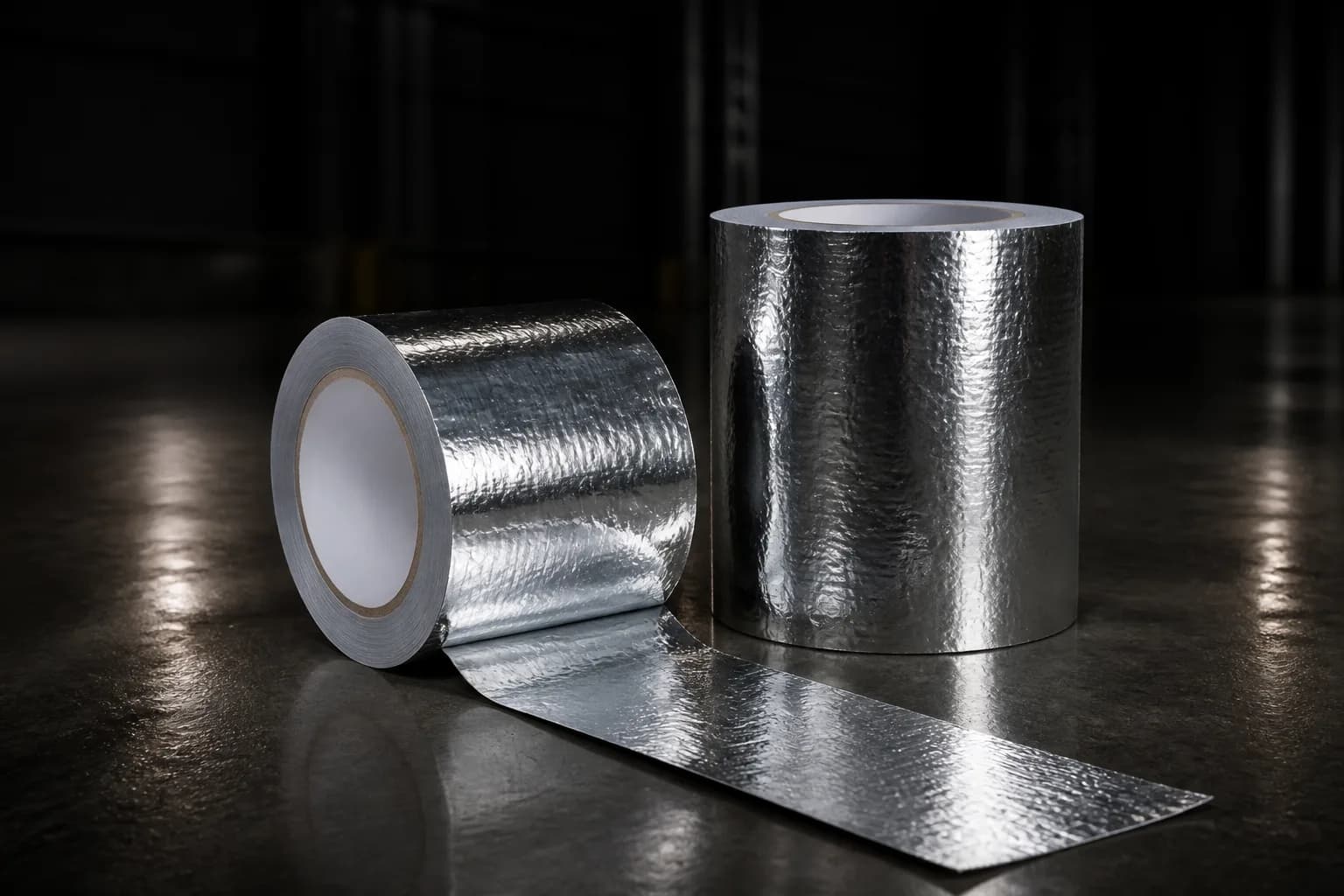
Basic aluminium foil tape and high-tack acrylic-adhesive tape look similar on the roll but perform very differently over the life of the building. Acrylic adhesive maintains bond strength better through temperature cycling — the expansion and contraction a roof or wall membrane experiences daily — where basic aluminium tape adhesive can degrade and lift at the edges over months. A tape that looked perfectly sealed at handover inspection can be a different story a year later if the wrong grade was specified.
Getting laps right
- Lap direction matters as much as lap width. On roof sarking, laps should face downhill so water sheds over rather than into the joint; taping a correctly-lapped joint the wrong way undermines the detail regardless of tape quality.
- Clean, dry surfaces before taping. Dust, moisture or facing contamination at the lap reduces adhesion significantly — this is a site discipline issue as much as a product issue.
- Full-width contact, not just edge-tacking. Tape applied only at the edge of a lap, rather than pressed down across its full width, leaves a channel for air movement even though the lap "looks" taped.
Penetrations are where barriers usually fail
Services penetrations, bracket fixings, and any point where something passes through the membrane are the most commonly under-sealed details on an otherwise well-taped job. It's straightforward to tape a long, flat lap run correctly and then rush the dozen smaller penetration seals around services and fixings — but a vapour barrier with twelve small gaps performs no better than one with a single large one.
We see this most on jobs where the membrane installer taped every visible lap carefully, then a different trade added services penetrations afterward without re-sealing the membrane around the new penetration. Sequencing and communication between trades matters as much as tape quality.
Facing type affects tape compatibility
Not every foil tape adheres equally well to every facing type — some reflective facings are more porous or textured than others, affecting adhesive contact. Check the tape manufacturer's compatibility guidance against the specific membrane facing being used, particularly on lower-cost or unusual facing types where compatibility hasn't been explicitly confirmed.
A practical application checklist
- Confirm tape grade (acrylic vs basic aluminium) matches the exposure and temperature-cycling demands of the application
- Ensure surfaces are clean and dry immediately before taping
- Apply full-width pressure across the tape, not just edge-tacking
- Re-inspect and re-seal around any penetration added by a later trade
- Check facing/tape compatibility for non-standard membrane products
Getting this detail right is inexpensive relative to the membrane and roofing package around it, but it's the difference between a vapour barrier that performs as specified and one that only looks like it does at handover.