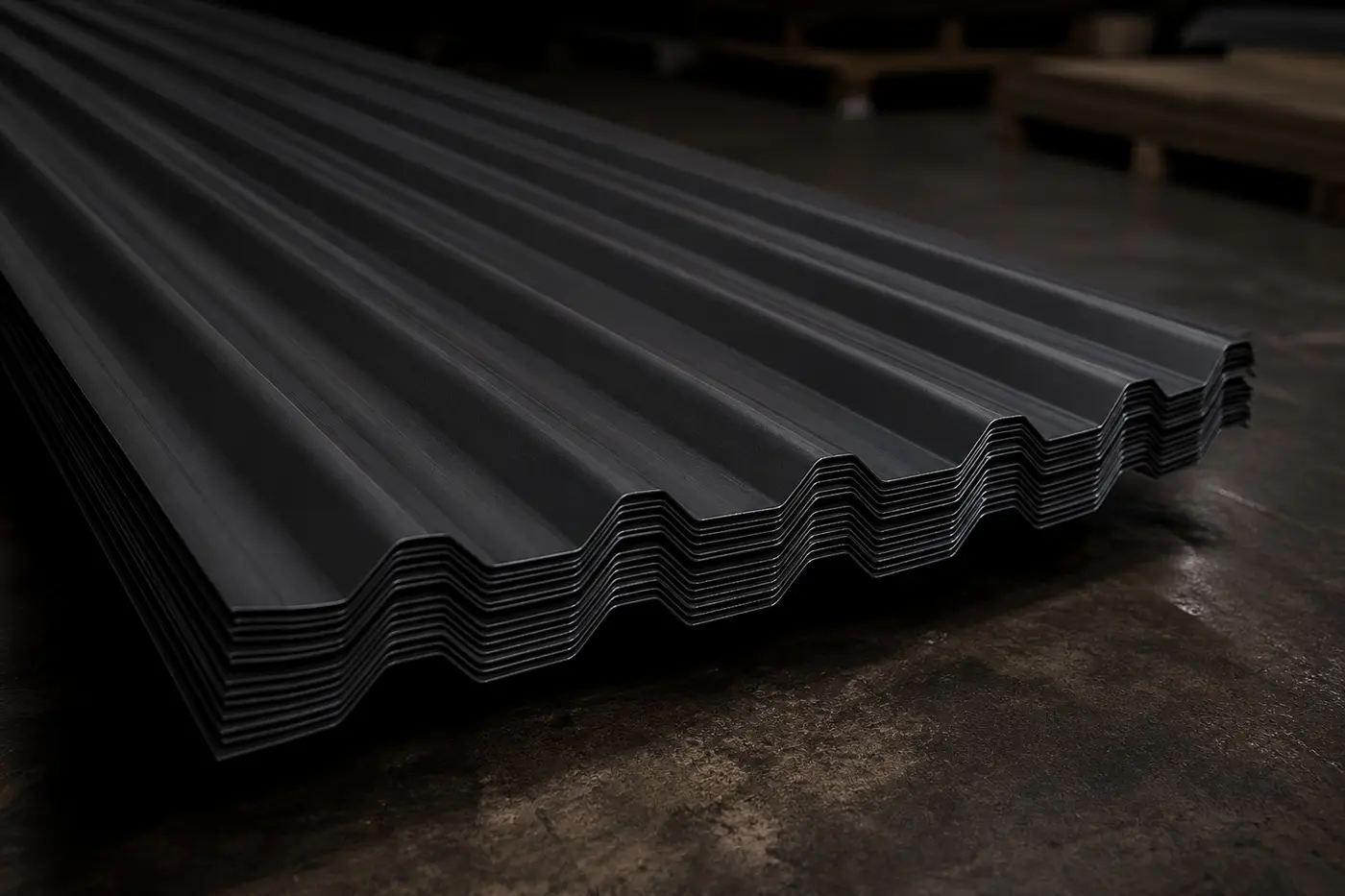
Ask any roofing crew what actually stalls a program and it's rarely the sheet itself — sheet is a known quantity, folded and delivered to program. It's the flashing detail that got missed on the original order: the barge capping nobody specified, the ridge flashing ordered in the wrong profile, or the apron detail that needed a site measure nobody scheduled.
Why flashings deserve their own checklist
Flashings and cappings are folded to spec, not stocked as a standard product — which means a missing or wrong flashing can mean a genuine wait for a re-fold, not just a quick trip to grab another length off the shelf. On a program with a tight roofing window, that wait is expensive. The fix is treating flashing take-off as seriously as the sheet take-off, at the same time, not as an afterthought once the sheet order is locked in.
The core flashing list for a standard commercial roof
- Ridge flashing — profile-matched to the sheet, folded for the actual ridge angle (not assumed to be a standard pitch).
- Barge flashing (verge) — matched to roof overhang and fascia detail; confirm whether a barge capping or a combined barge/fascia detail is required.
- Apron flashing — where the roof meets a wall, parapet or higher roof plane; get an accurate site measurement before folding where existing structure dimensions aren't confirmed on drawings.
- Valley flashing — for any roof with intersecting planes; valley width and fold need to suit the actual roof pitches meeting at that point.
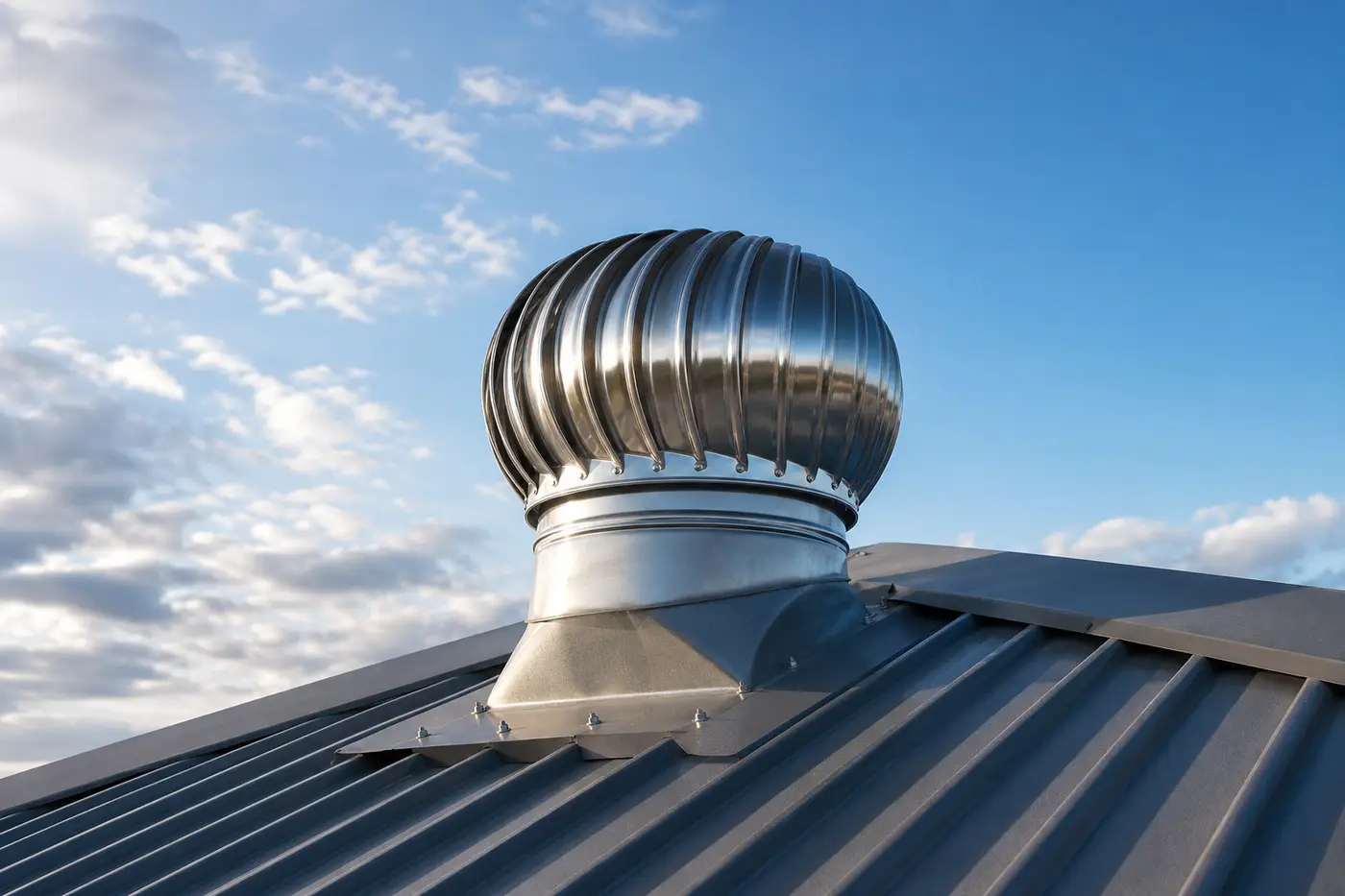
- Penetration flashings — for any services penetration (vents, flues, plumbing stacks) that isn't covered by a standard proprietary flashing kit.
Colour and coating matching
On industrial sheds where the roof isn't highly visible, a close colour match is usually acceptable. On commercial and retail buildings with street-visible roof lines, confirm exact colour and coating class (COLORBOND® vs ZINCALUME®, specific colour code) between sheet and flashing — a visible mismatch on an architecturally prominent building becomes a defect claim, not just a cosmetic quibble.
The single most common flashing order mistake we see is ordering barge and ridge flashings generically "to suit" without confirming actual roof pitch and overhang dimensions. Folded flashings made to a wrong pitch assumption need to be refolded — there's no adjusting them on site.
Timing the order
Flashings should be ordered at the same time as the sheet, with final site dimensions confirmed as early as the program allows. If final dimensions genuinely can't be confirmed until roof structure is complete, flag this at initial order so the fold turnaround is scheduled realistically against the roofing crew's actual start date — not assumed to be instant.
A pre-order checklist
Before finalising a roofing pack order, confirm: full flashing list matched to actual roof plan (not a generic list), pitch and dimension confirmation method and timing, colour/coating match requirements, and whether any non-standard penetrations need custom flashing. Send us the full roof plan alongside the sheet order and we'll fold the complete flashing set to match — on the same delivery, not a second trip.