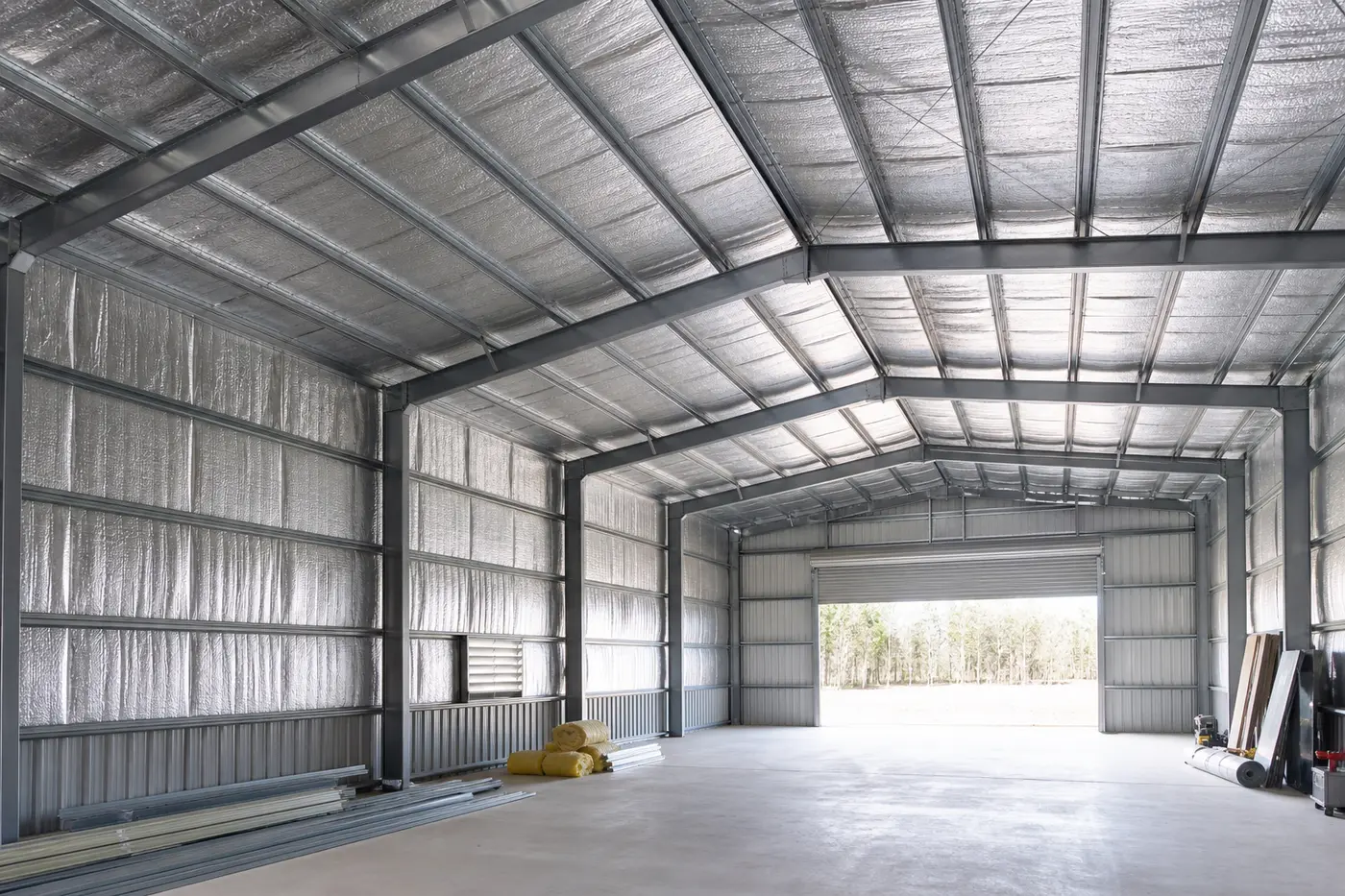
Walk into an uninsulated steel shed on a cold Victorian morning and the first thing you'll notice is condensation dripping off the underside of the roof sheet — sometimes enough to look like it's raining indoors. Both shed blanket and air-cell insulation solve this, but they solve it at different price points and with different trade-offs worth understanding before you order.
Shed blanket — the higher-performance option
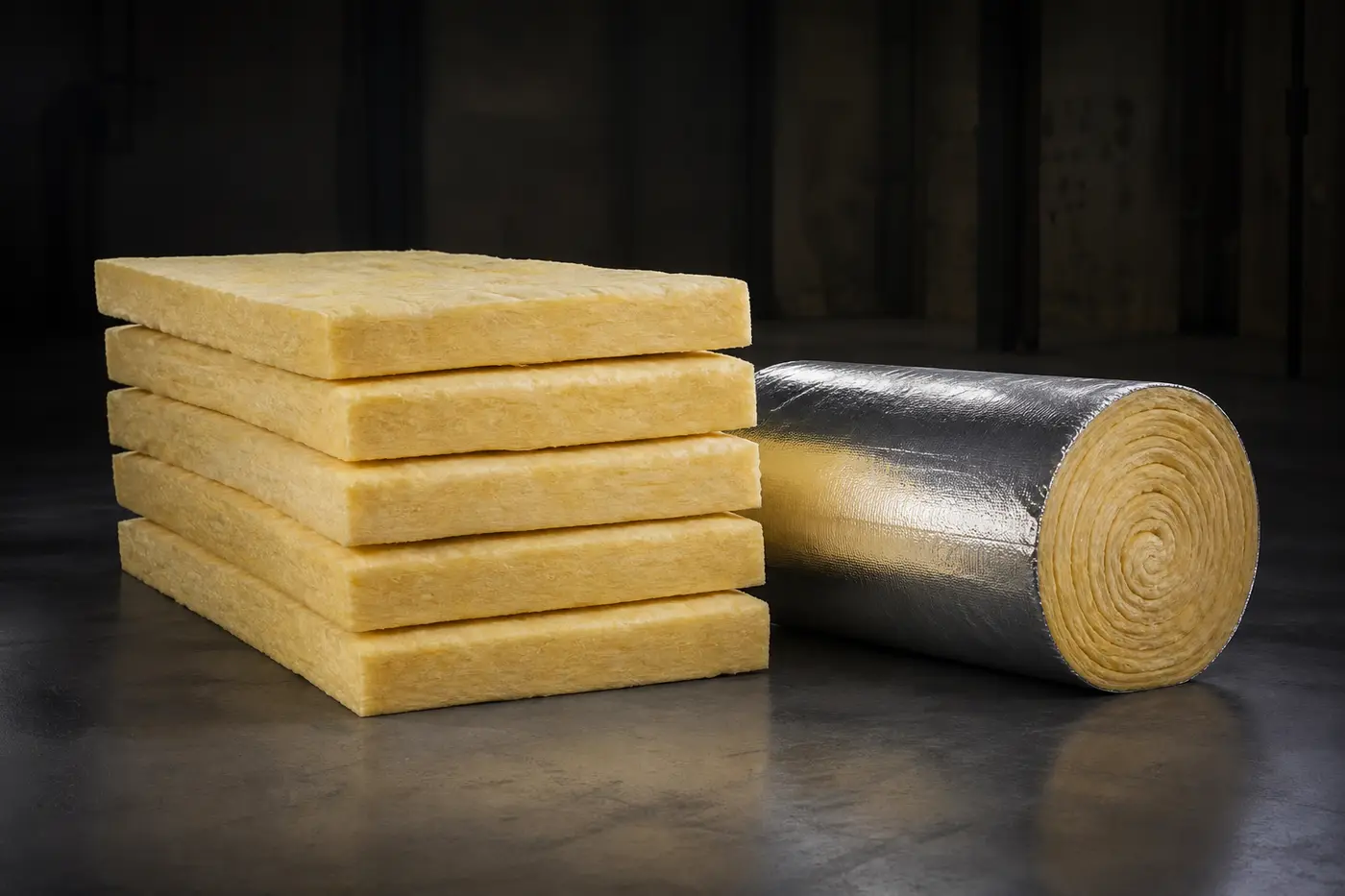
Foil-faced glasswool shed blanket, sized for typical shed roof and wall runs, delivers meaningfully higher thermal performance (typically R1.3–R2.3 depending on facing) alongside strong condensation control. It's the better choice where the shed will be used for anything beyond basic dry storage — workshops, machinery bays, or any space where summer heat and winter cold genuinely affect how the space is used. Installation takes longer than air-cell and generally benefits from a second person, but the performance and durability justify it on sheds that see regular use.
Air-cell — the practical, budget-conscious option
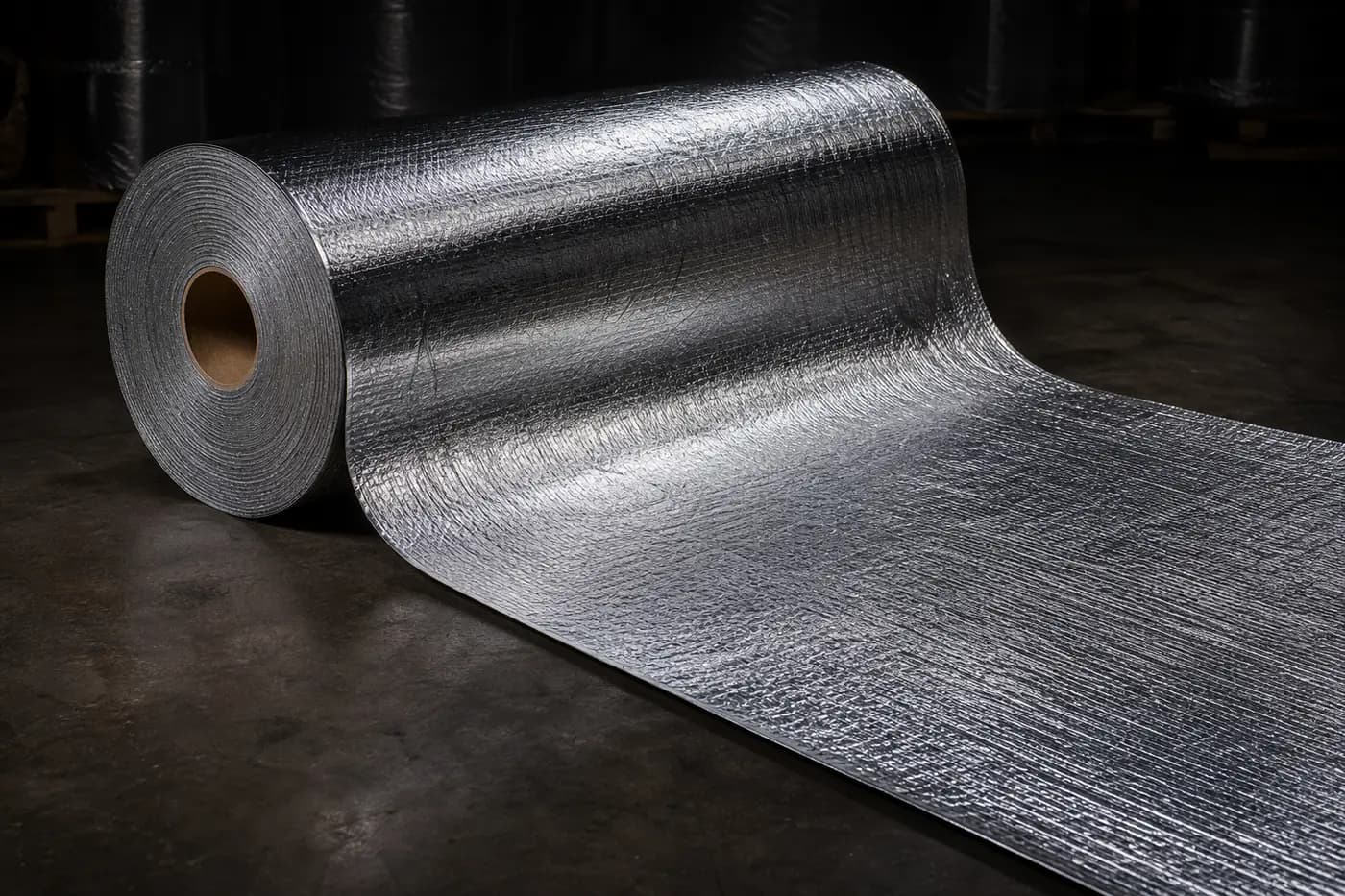
Thin reflective air-cell insulation trades some thermal performance for a much lighter, easier-to-handle product. It's genuinely clean and itch-free compared to glasswool, which matters for owner-installed farm sheds where the person on the roof isn't a trade insulator. For pure condensation drip control on a shed used for equipment or produce storage — where the goal is "stop it dripping on the machinery," not "make this a comfortable workspace" — air-cell is often the right-sized solution.
A straightforward decision framework
- Workshop, machinery bay, or any occupied-use shed → shed blanket for the thermal performance.
- Dry storage, hay, equipment shelter with no occupied use → air-cell is usually sufficient and more cost-effective.
- Owner-install, limited trade access → air-cell's lighter, cleaner handling reduces install difficulty.
- Contractor-install with trade access already on site → shed blanket's extra install time matters less, so specify for performance.
- Severe condensation history on an existing uninsulated shed → shed blanket generally resolves this more reliably; air-cell can help but may not fully eliminate drip in the worst cases.
The question we get most from farm shed owners isn't "which is better" — it's "will this actually stop the dripping." Both products help, but the severity of the existing problem and how the shed is used should drive the choice, not price alone.
Install considerations
Air-cell's light weight makes it manageable for a single installer with basic tools, stapled or taped to purlins before sheeting. Shed blanket benefits from the same purlin-spacing and lap-direction care as any roofing blanket — sagging and gaps at laps undermine performance regardless of product. Neither product substitutes for basic roof ventilation; a well-ventilated ridge or whirlybird setup reduces the condensation load either product has to manage.
Ordering for your shed
Tell us the shed's roof area, current use (or planned use), and whether install will be owner-managed or contractor-installed, and we'll recommend the right product and quantity — including whether a hybrid approach (shed blanket on the occupied bay, air-cell on adjoining storage) makes sense for a multi-bay shed.