Melbourne's climate is almost perfectly designed to cause metal roof condensation problems — cool nights, humid mornings, and enough day-night temperature swing to regularly push roof sheet temperature below the dew point of the air underneath. It's a near-universal issue on uninsulated or under-ventilated commercial metal roofs, and it's entirely manageable with the right combination of foil facing and ventilation — but only if both are actually specified together.
Why metal roofs are more condensation-prone than tiled
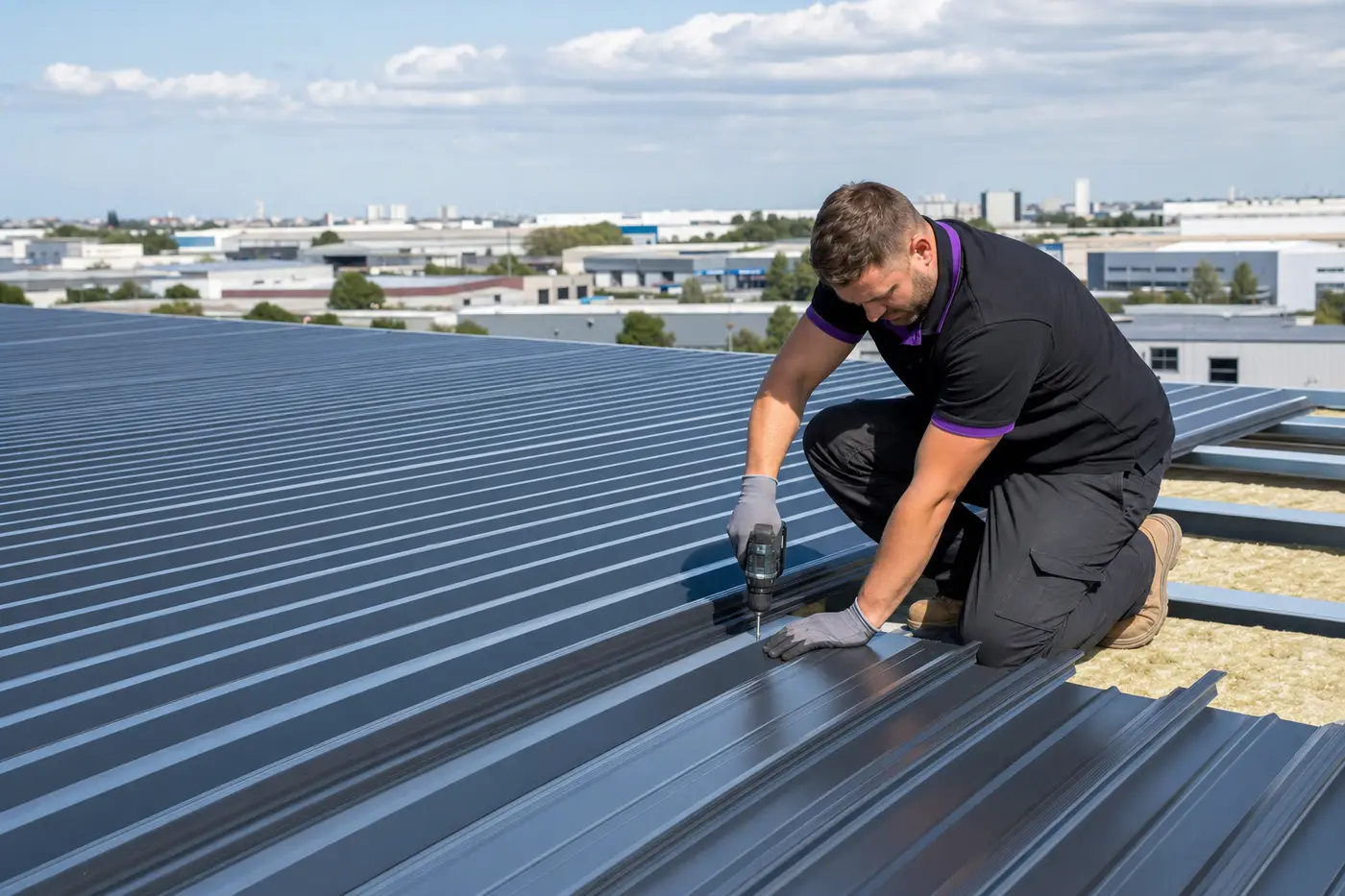
Metal sheeting has low thermal mass and conducts temperature quickly — a clear Melbourne night can drop sheet temperature well below the dew point of moist interior air, triggering condensation that drips onto stock, machinery or ceiling linings below. Tiled roofs have more thermal mass and typically more ventilated cavity space, giving them a different (generally lower) condensation risk profile for the same building use.
Foil facing manages the moisture generation side
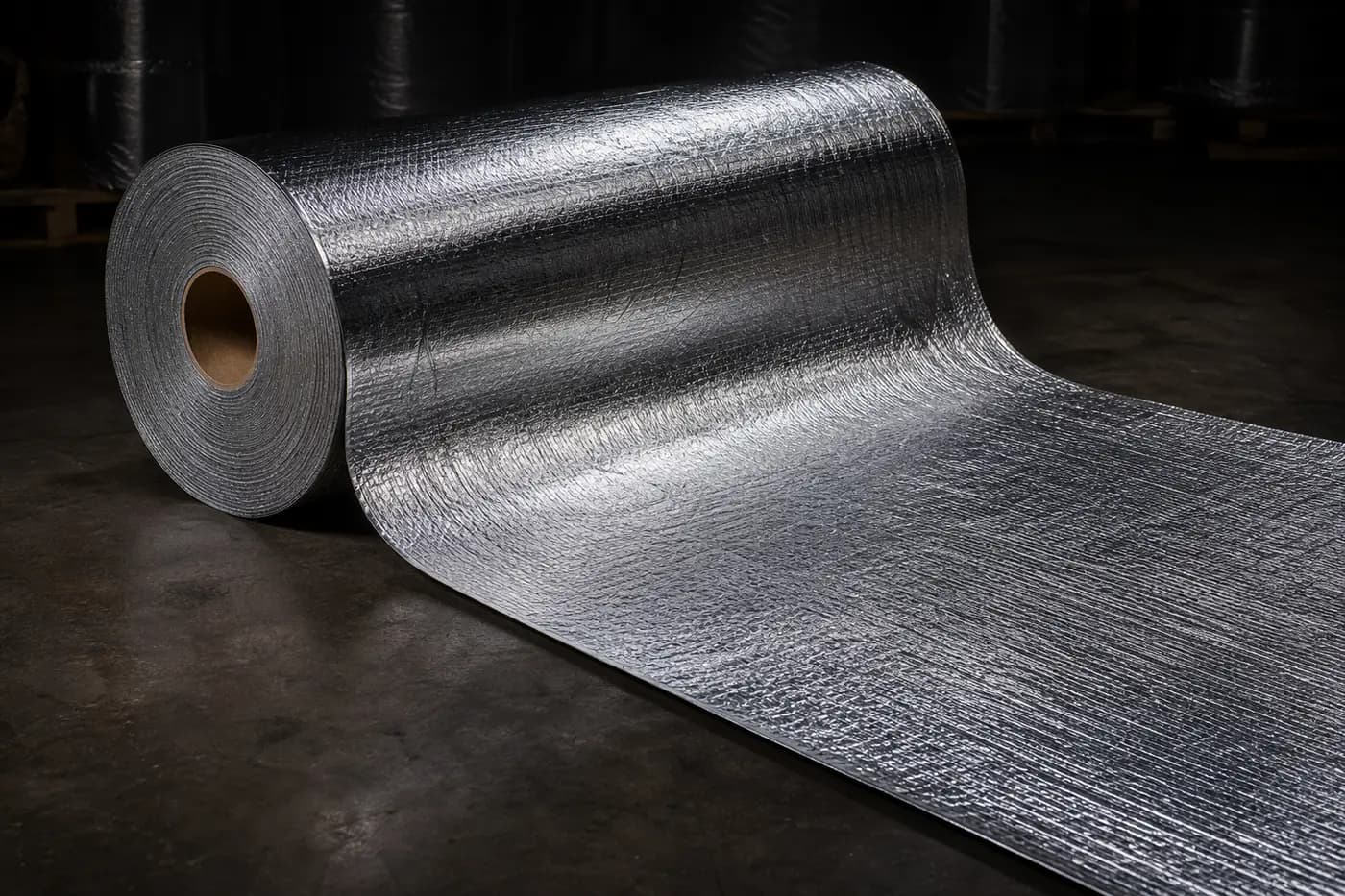
Foil-faced roofing blanket does two condensation-relevant things: it slows heat transfer (reducing how quickly the sheet reaches dew point overnight), and its facing acts as a vapour control layer depending on facing type and orientation. This is why unlined sheds with genuine condensation problems often see meaningful improvement just from adding a basic foil-faced blanket, even at a modest R-value.
Ventilation manages the moisture escape side
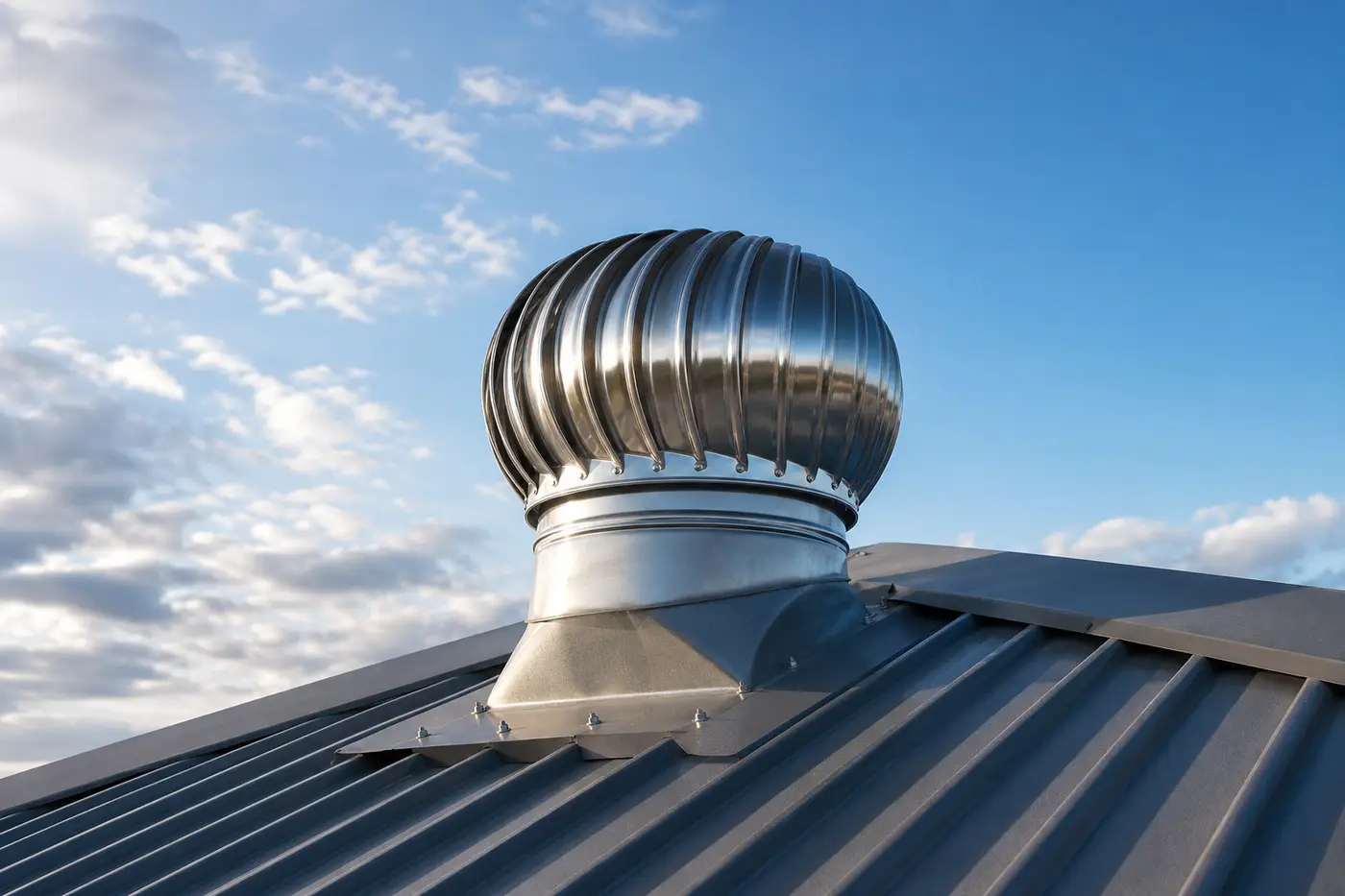
Insulation alone doesn't eliminate condensation risk — it manages it. Roof ventilation (ridge vents, whirlybirds, powered vents) gives moisture-laden air an escape path rather than letting it sit in a sealed roof void building toward saturation. A well-insulated but completely unventilated roof space can still develop condensation issues, particularly in buildings with elevated internal moisture generation.
Occupancy type changes the risk profile significantly
A dry-goods storage warehouse with minimal internal moisture generation behaves very differently to a food distribution centre with wash-down areas, or a manufacturing facility with process heat and humidity. Higher internal moisture generation raises condensation risk regardless of insulation and ventilation — which means the specification needs to account for occupancy, not just roof construction.
- Dry storage, minimal occupancy — moderate foil facing and basic ventilation usually sufficient.
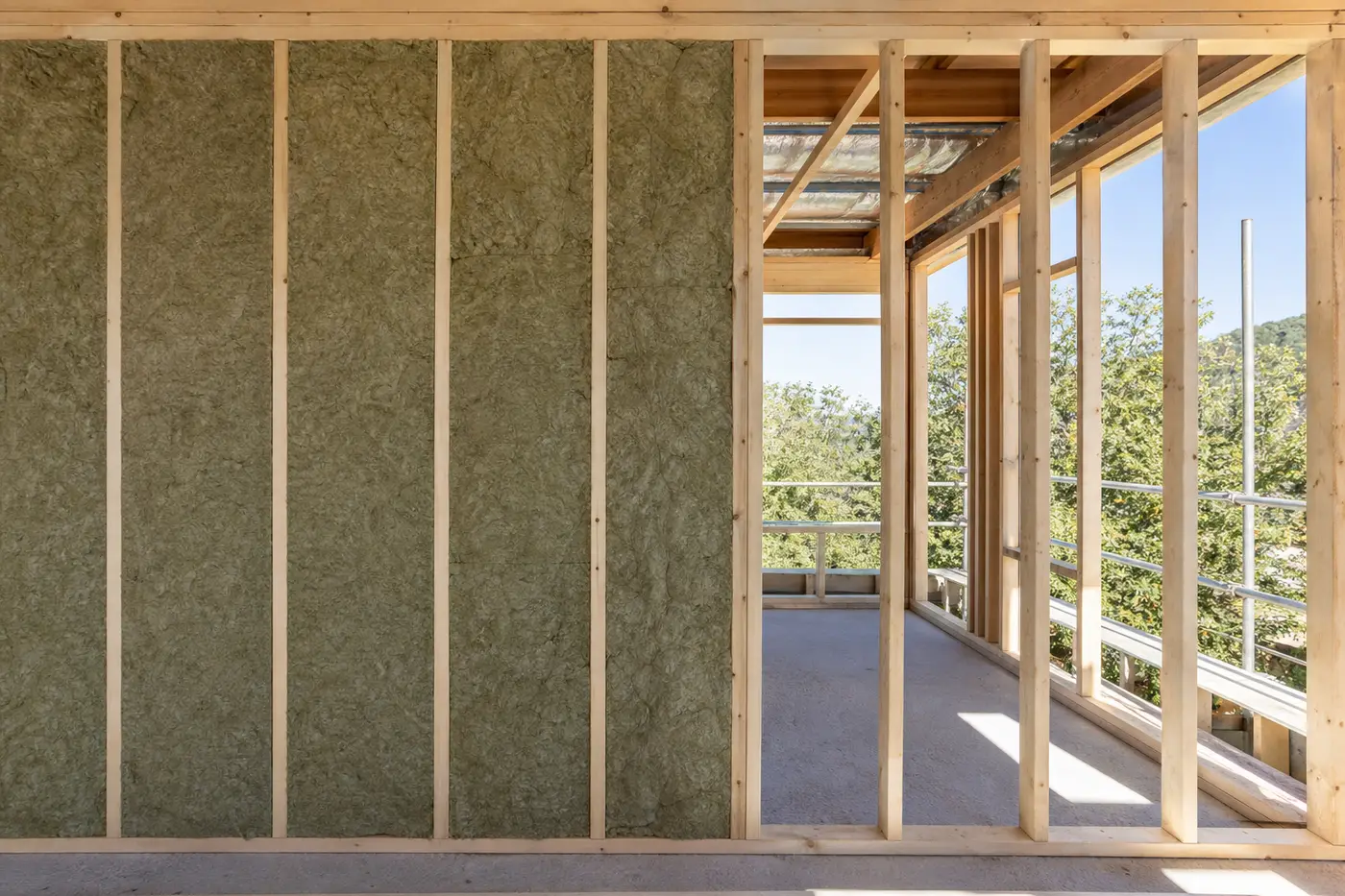
- Occupied office/showroom space — full insulation package plus reliable ventilation, condensation control secondary to comfort but still relevant.
- Food, wash-down, high-humidity processes — highest condensation risk; ventilation strategy and vapour control detail need specific attention, potentially beyond a standard roofing blanket spec.
The condensation complaints we hear about most often come from buildings where insulation was added without addressing ventilation, or ventilation was added without insulation — treating the two as substitutes for each other rather than complementary parts of the same strategy.
A practical condensation-control checklist
- Confirm building occupancy and internal moisture generation level
- Specify foil-faced insulation appropriate to occupancy (see our ThermaRoof R-value guide for selection detail)
- Pair insulation with an adequate ventilation strategy — see our whirlybird vs powered vent comparison for sizing guidance
- For known high-risk occupancy (food, wash-down, manufacturing), flag this explicitly so the ventilation strategy accounts for elevated moisture load
Send us the building's use and roof plan and we'll help specify the right combination — not insulation or ventilation in isolation, but the pairing that actually controls condensation for how the building is used.