Infographic
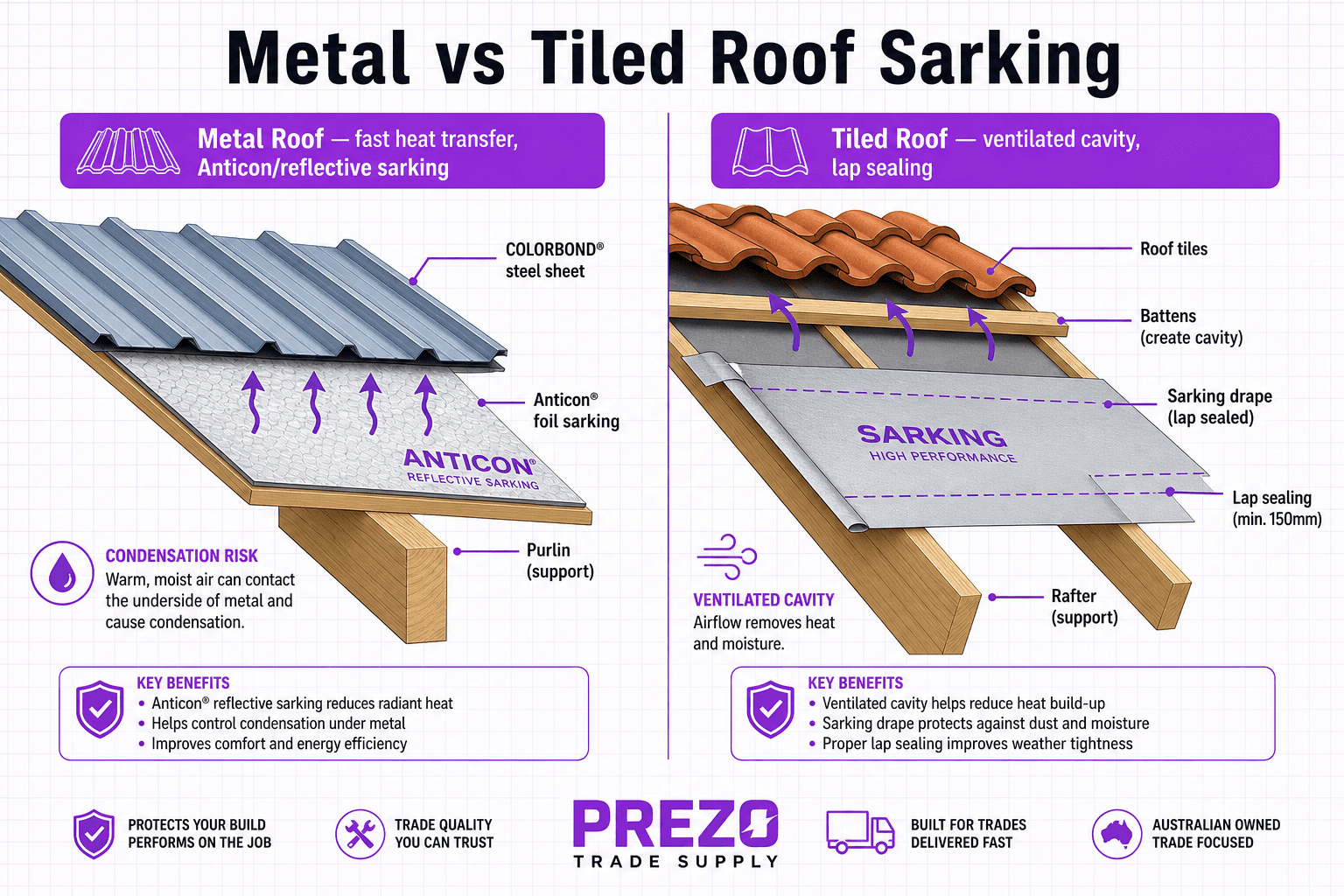
Roof sarking is one of those line items that looks interchangeable on a bill of quantities — until the roof is on, the building is occupied, and condensation appears under the sheets or moisture tracks into the ceiling space. On commercial programs across Melbourne and regional Victoria, the most common specification error we see is treating sarking as a generic "foil roll" rather than matching product type to roof construction.
Why metal and tiled roofs need different thinking
Metal roofing transfers temperature quickly. On a clear winter morning in Melbourne, the underside of a COLORBOND® sheet can drop below dew point while warm, moist air rises from the occupied space below. That combination drives condensation on the roof sheet, purlins and fixings. Tiled roofs behave differently: tiles are heavier, more ventilated at the ridge, and the sarking layer typically sits on battens with a larger air gap. The sarking still needs to perform, but the moisture pathway is not identical to a purlin-fixed metal deck.
For metal roofs, specifiers commonly choose either a reflective laminate sarking (vapour barrier) or a foil-faced roofing blanket that combines bulk insulation with condensation control. For tiled roofs, medium-duty reflective sarking is typical, with emphasis on lap sealing, support on battens and compatibility with the tile manufacturer's warranty requirements.
Climate zones matter in Victoria
Victoria spans multiple NCC climate zones, and condensation risk increases in cooler regions where roof elements spend more time below dew point. CSR Bradford and other major manufacturers publish climate-based sarking selection guides — the principle is consistent: in colder zones where interiors are heated, vapour permeable membranes or Anticon-style roofing blankets under metal sheets help moisture escape rather than trapping it against cold surfaces.
In warmer, humid coastal conditions, vapour barrier sarking can be appropriate where the design intent is to limit inward moisture drive. The critical point for builders is that thermal performance and condensation control are linked but not the same thing. A high R-value roofing blanket does not automatically solve a poorly ventilated roof space.
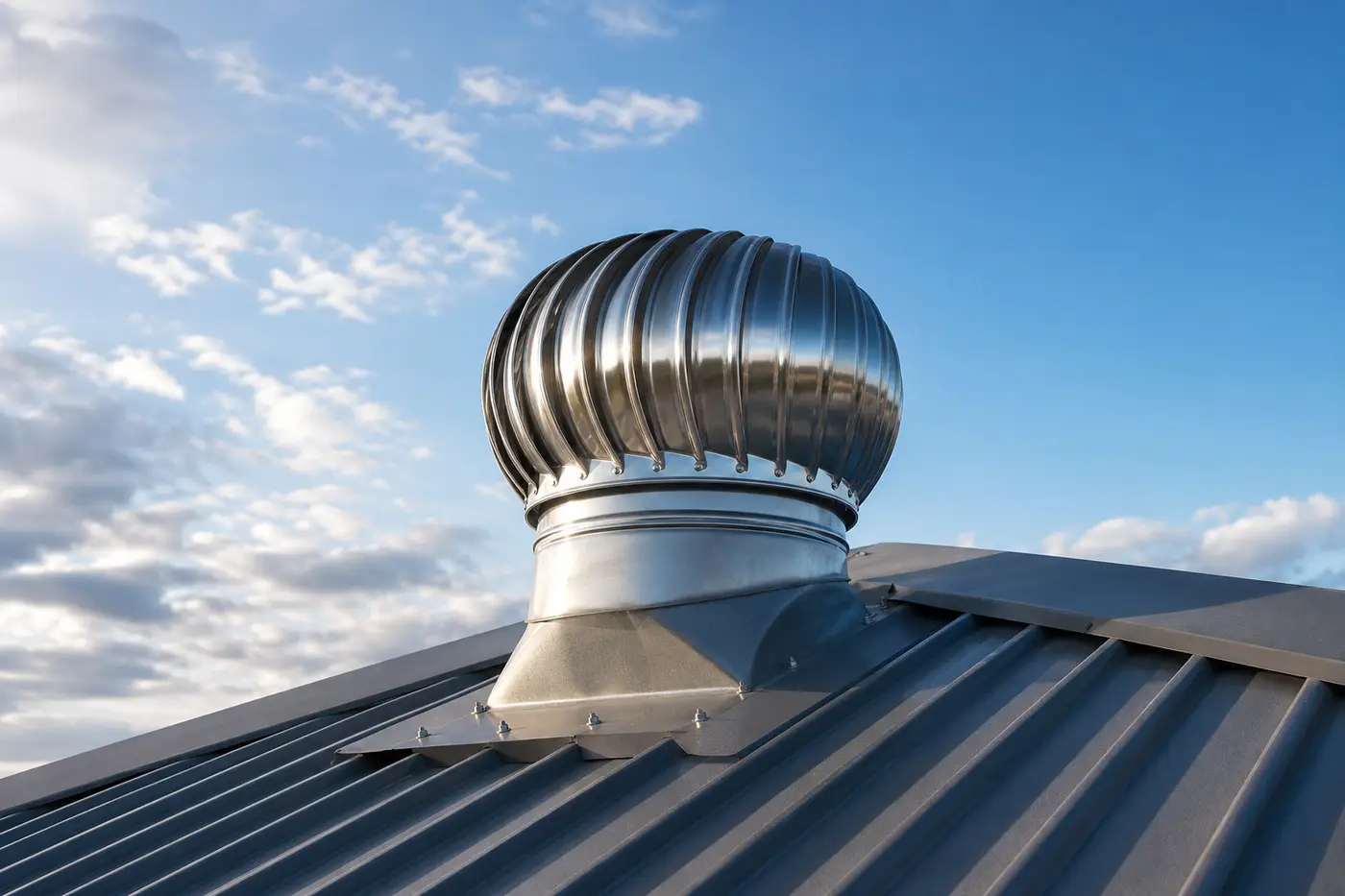
On warehouse and industrial metal roofs, we regularly review specs where reflective sarking is correct but ridge ventilation has been value-engineered out. The sarking cannot compensate for a sealed, unventilated cavity.
Metal roof sarking — what works on site
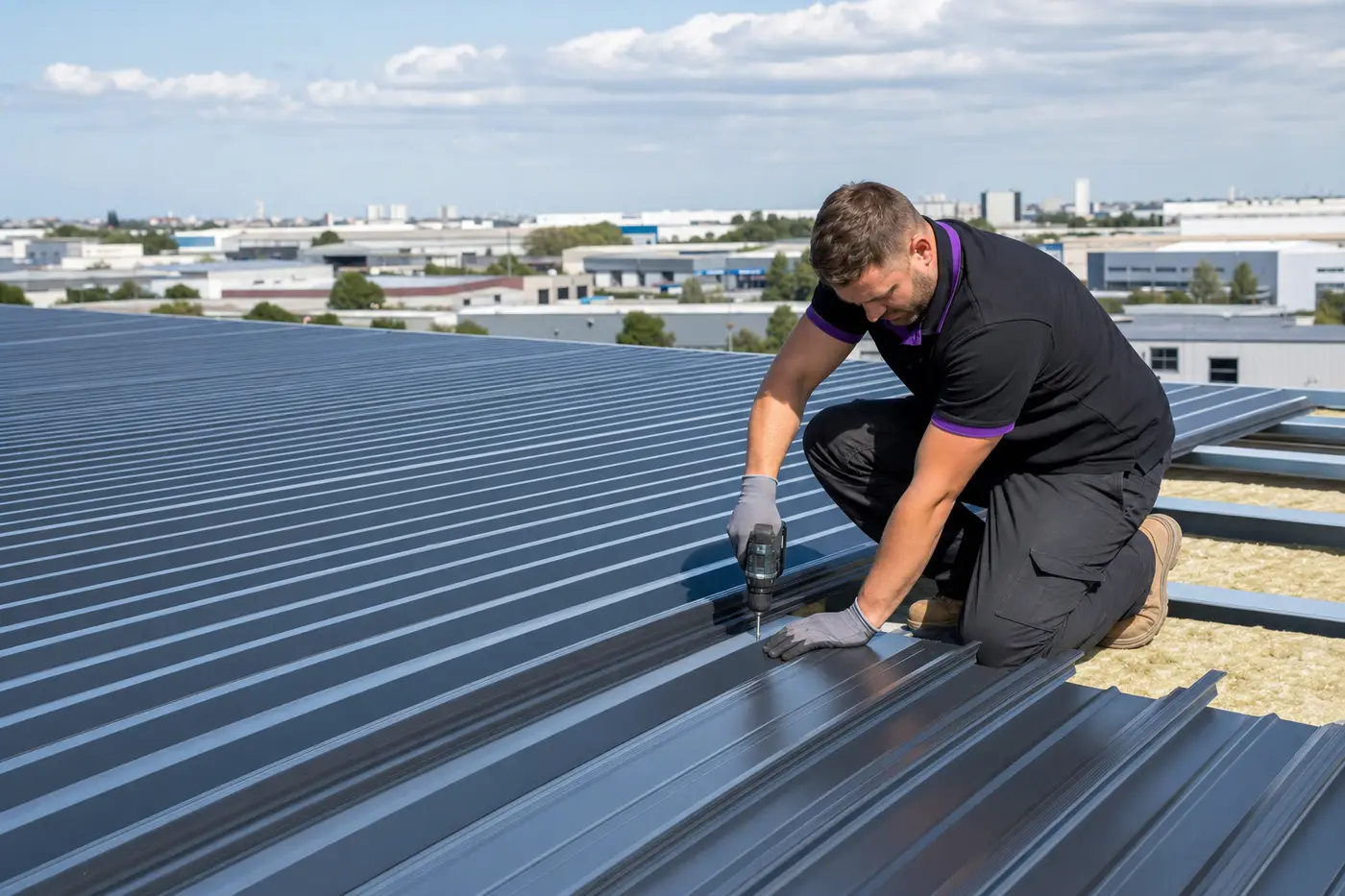
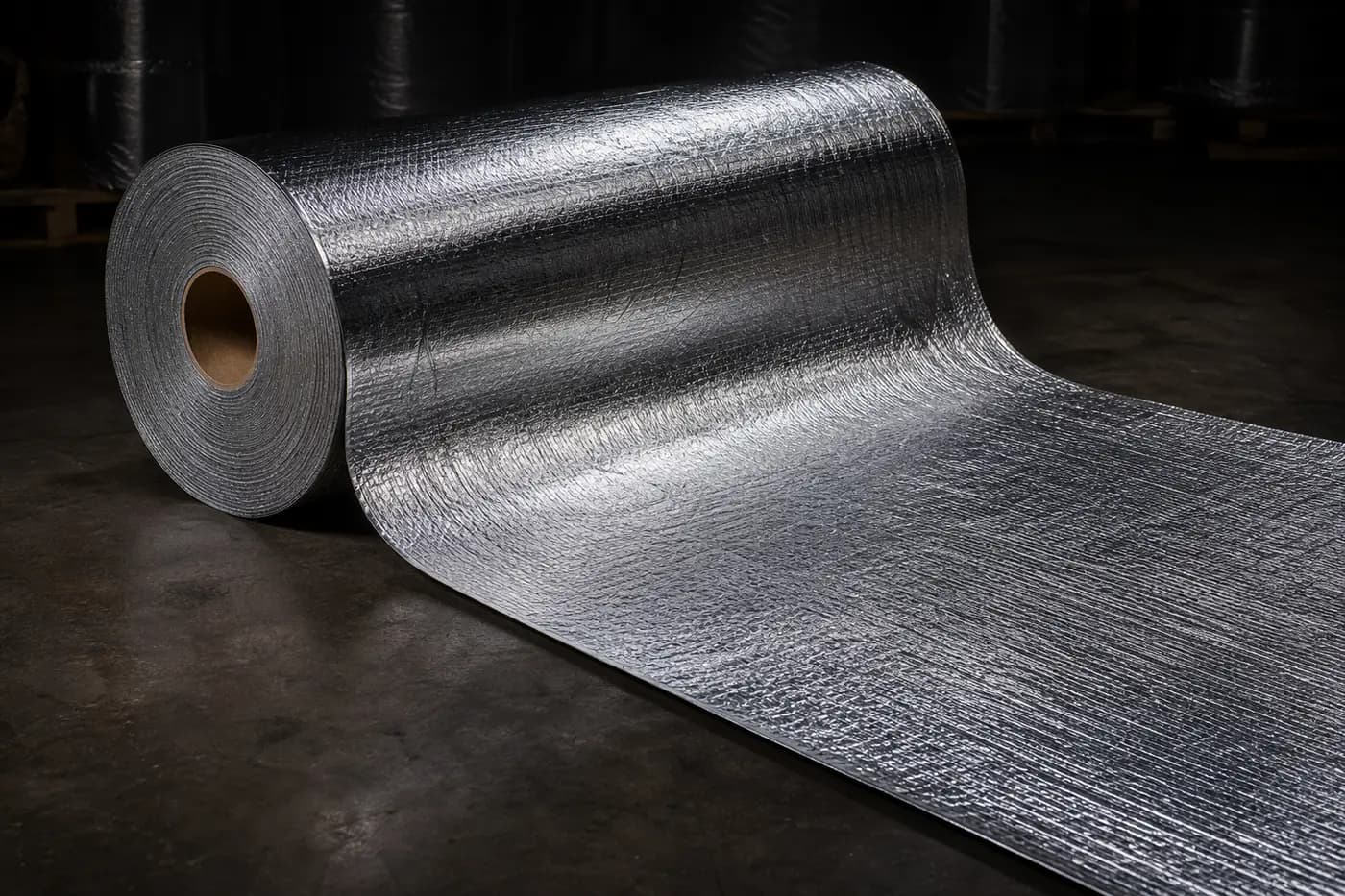
For standard commercial metal roofs — Klip-Lok®, Trimdek®, custom orb — PREZO supplies reflective sarking such as PREZO Wrap alongside foil-faced roofing blankets from CSR Bradford and other partner brands. Selection should consider:
- Purlin spacing and support — sarking must be supported at spans specified by the manufacturer; sagging creates ponding and tears.
- Lap direction and tape — laps face downhill; use compatible foil tape at overlaps and penetrations.
- BAL requirements — bushfire-rated sarking may be mandatory depending on site classification; do not substitute standard product in BAL areas without documentation.
- Integration with safety mesh — on many commercial installs, mesh sits below the blanket; confirm install sequence with the roofing contractor.
Reflective sarking contributes to system R-value through the air gap and emissivity of the facing. Always reference the product's published total system values rather than assuming an add-on R0.5 regardless of construction.
Tiled roof sarking — secondary skin and bushfire performance
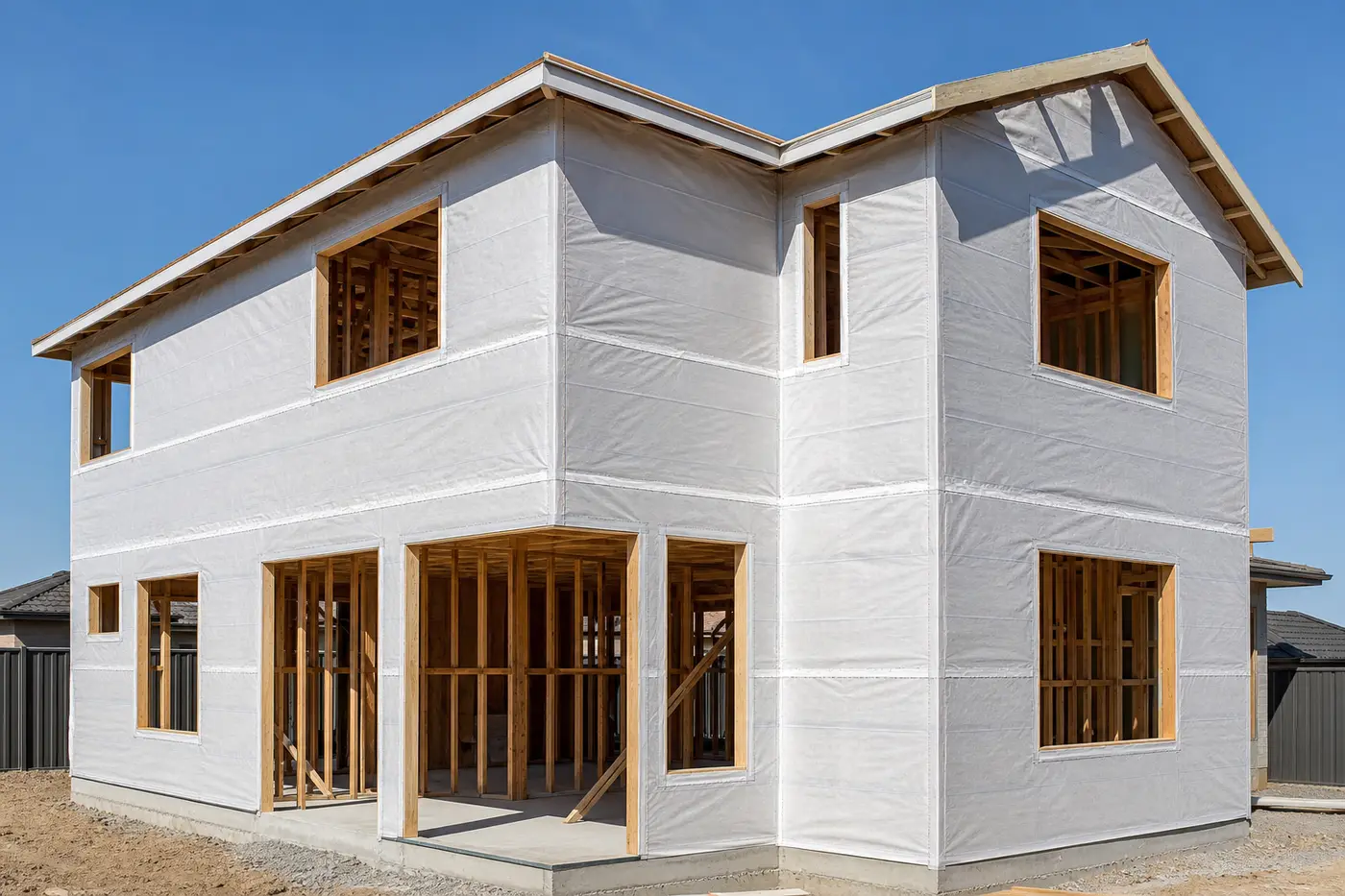
On tiled roofs, sarking is often described as a "second skin" — it sheds wind-driven rain and dust that penetrates tile overlaps. Medium-duty laminates are common, with extra-heavy duty specified for exposed sites or where the designer wants additional tear resistance during construction.
Key install differences from metal:
- Sarking drapes between battens with minimum sag for drainage to gutters.
- Counter-batten and batten layout affects air movement — do not block ventilation paths at the ridge.
- Heavier tiles and steep pitches increase wind uplift on the membrane during build; temporary fixing and batten spacing matter.
For projects in bushfire-prone areas east and north of Melbourne, sarking with appropriate BAL ratings forms part of the ember protection strategy. Pair product selection with compliant ridge vent, valley and penetration seals.
Commercial specification checklist
Before you lock in a sarking type on a pack lot, run through this with your supplier:
- Roof type (metal profile vs tile), pitch, and exposure category
- Ceiling type — lined, suspended grid, or open to structure
- Target total R-value for NCC Section J compliance
- BAL classification and any council-specific overlays
- Planned ventilation (ridge, eave, mechanical exhaust into roof space)
PREZO can align sarking, blankets, tapes and ventilation on one delivery schedule so the roofing crew is not waiting on a missed accessory line.
Common mistakes we see in the trade
Using residential sarking rolls on wide-purlin commercial spans without intermediate support — leads to tearing and ponding. Mixing incompatible tapes with the sarking facing — adhesive failure at laps shows up months later. Omitting insulation in a "sarking only" spec on a metal deck with no ceiling — the building fails comfort and energy targets even if the sarking is installed perfectly.
If you are unsure between a standalone reflective sarking and a combined foil-faced blanket, send us the roof layout and services schedule. The right answer depends on how the roof space will behave once the building is operational — not just what reads cheapest on paper.