On a busy site with pallets of reflective membrane stacked near both the wall framing crew and the roofing crew, it's not unusual for someone to grab "whatever's closest" when a roll runs short. It's also one of the more expensive mistakes to catch after install — wall wrap and roof sarking are not the same product, even when they look near-identical off the roll.
Same family, different jobs
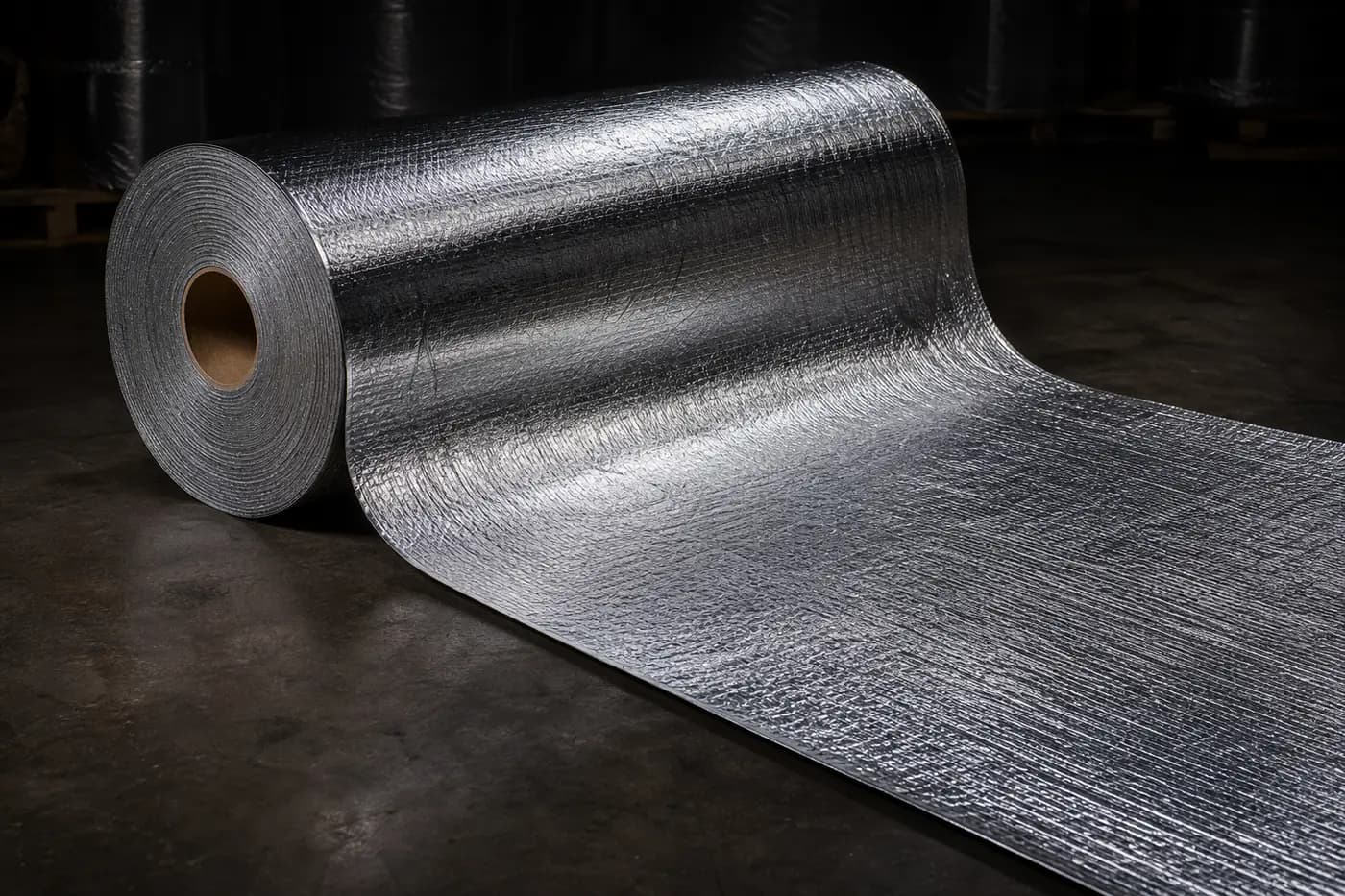
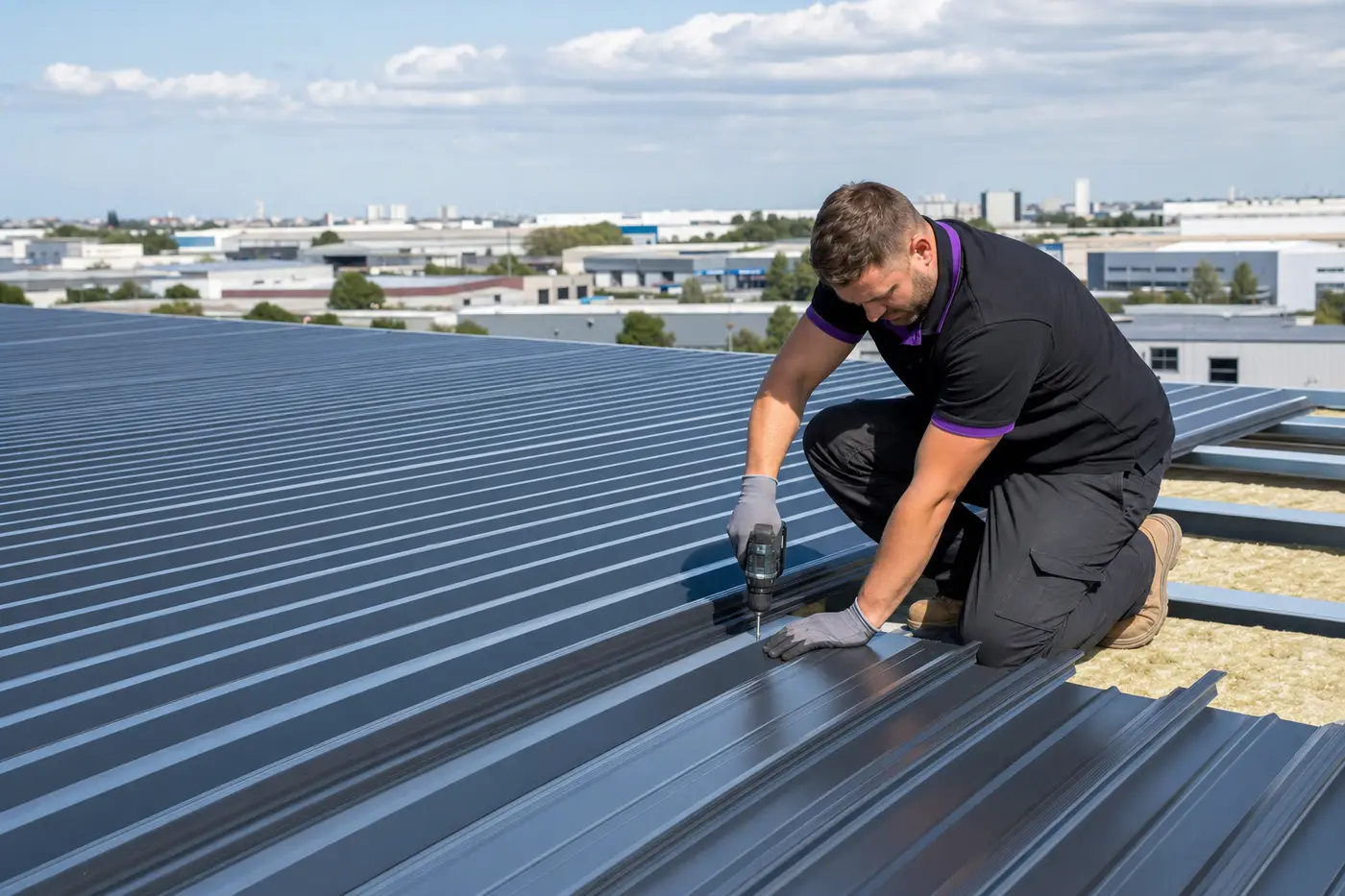
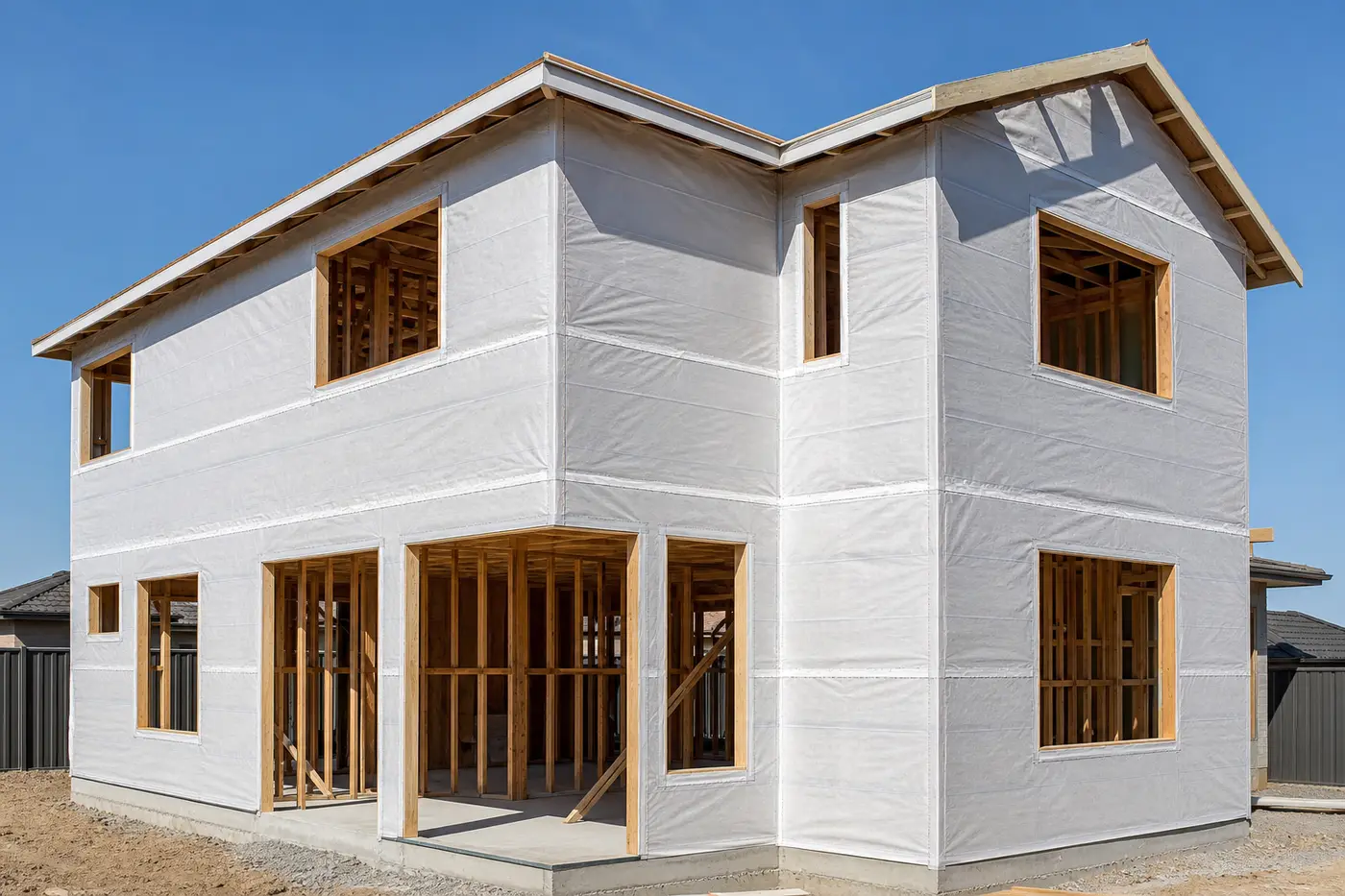
Both products are typically reflective, vapour-permeable membranes referenced against AS/NZS 4200.1, and both contribute to a building's weather and thermal envelope. That's where the similarity ends. Wall wrap is engineered to be fixed vertically to stud framing, manage bulk water and air infiltration at a wall plane, and integrate with window and door flashings. Roof sarking is engineered to be fixed horizontally or on a pitch, drape between purlins or battens, shed water toward gutters, and withstand a different combination of UV exposure, foot traffic during install, and wind uplift.
Why the substitution matters
- Load and support spans differ. Roof sarking is rated for support spacing appropriate to purlins or battens on a pitched or near-flat plane; wall wrap's support spacing assumes vertical stud framing. Using one in the other's position can exceed the tested support span, leading to sagging, tearing, or premature failure.
- Vapour permeability targets differ. A wall assembly and a roof assembly manage moisture differently — the permeability rating that works for one may not suit the drying path of the other.
- UV and duration-of-exposure ratings differ. Roof sarking is typically rated for the UV exposure period expected before sheeting goes on; wall wrap's exposure rating is calibrated to typical wall cladding programs, which can differ in duration.
- System warranties are usually product- and application-specific. Manufacturers test and warrant these products for their intended application. Using wall wrap on a roof (or vice versa) can void the system warranty even if the membrane physically performs adequately.
We get asked most often whether heavy duty wall wrap can be used as a stand-in for medium duty roof sarking on a tight-budget job. The honest answer is: check the manufacturer's data sheet for rated application, not just duty class. "Heavy duty" describes tear resistance, not which plane the product is certified for.
What to check before you substitute
If a crew is genuinely short and considering a substitution, confirm against the product data sheet:
- Is the product rated for roof or wall application (or both)?
- What is the maximum unsupported span for the intended fixing method?
- What is the maximum UV exposure period before covering?
- Does the manufacturer's system warranty explicitly cover this use case?
Ordering to avoid the problem entirely
The cleanest fix is avoiding the shortage in the first place — order wall wrap and roof sarking as separate, clearly labelled pack lots on a commercial program, with enough buffer for standard wastage and lap allowance on each. If you're speccing a program with both wall and roof membrane requirements, send us the full scope and we'll pack-lot each correctly labelled and delivered together, so there's no ambiguity on site about which roll goes where.