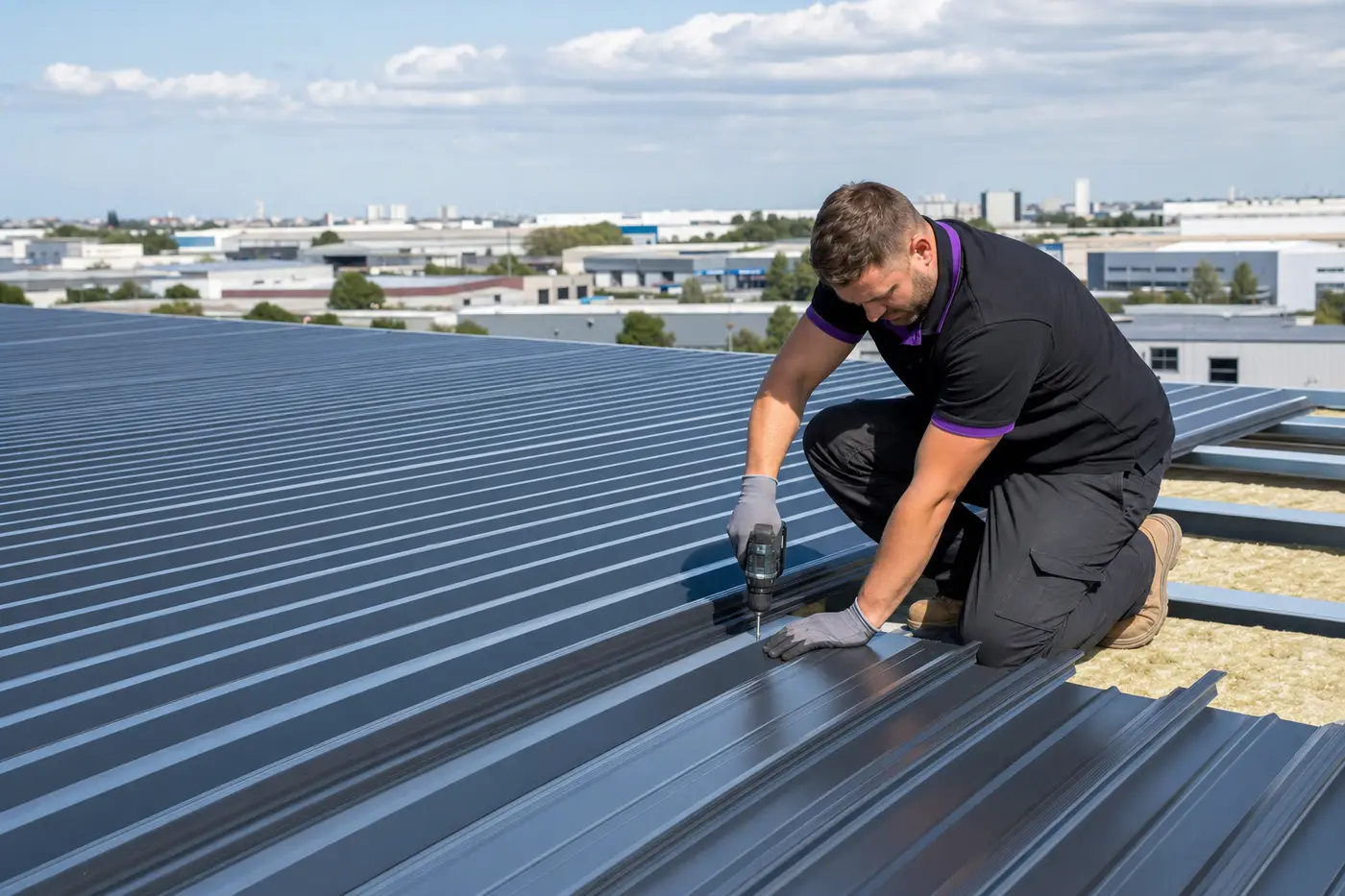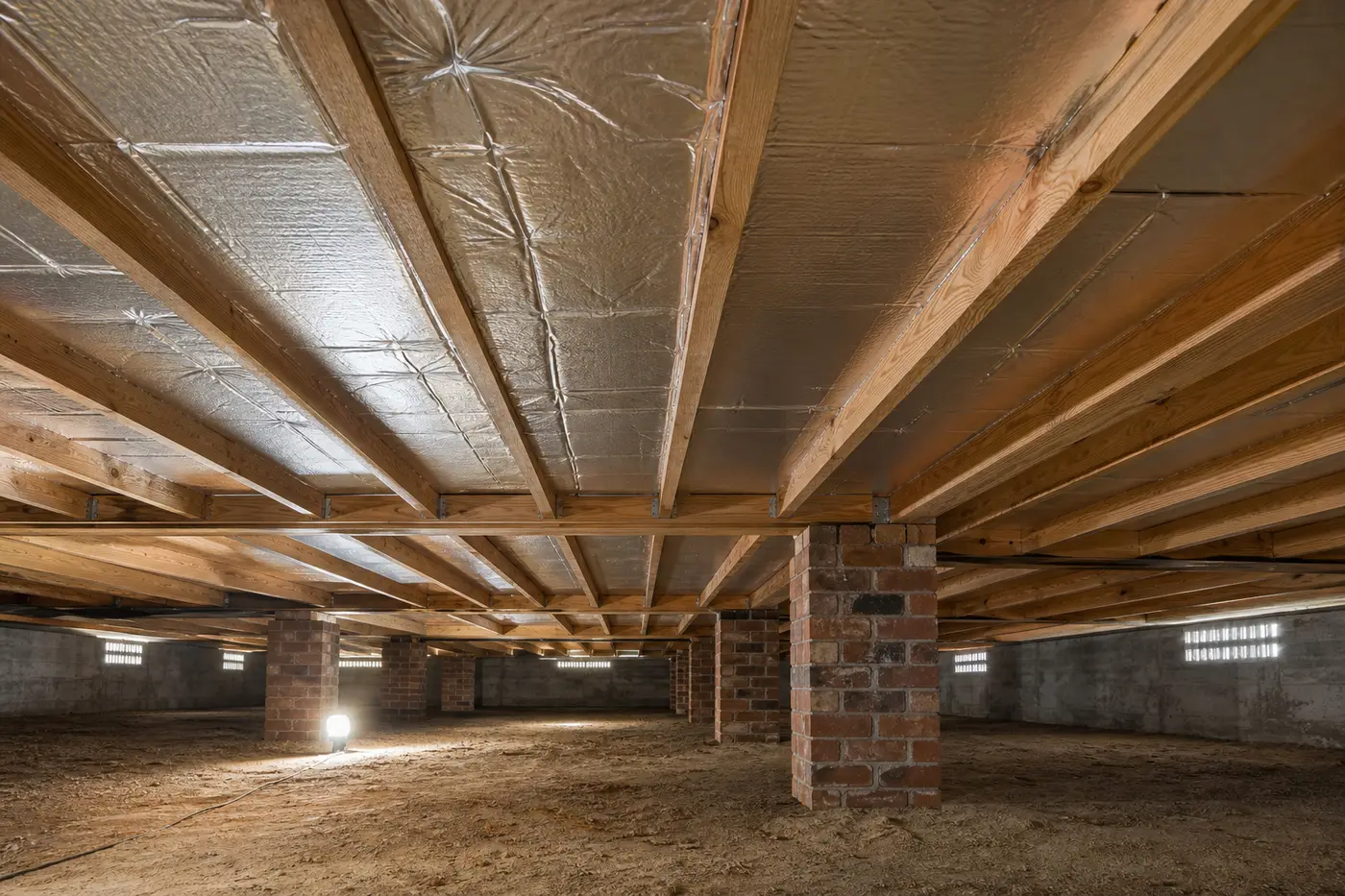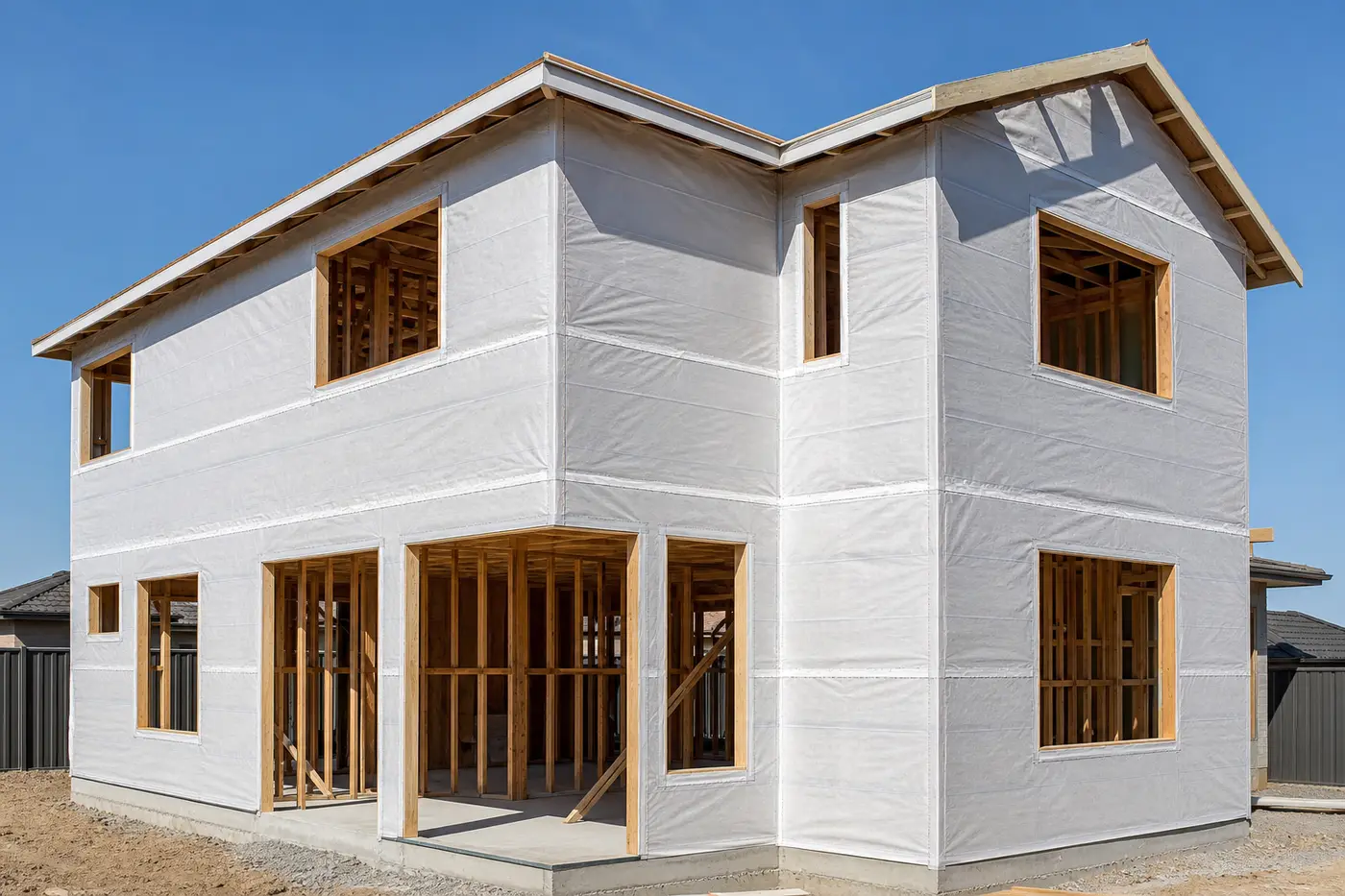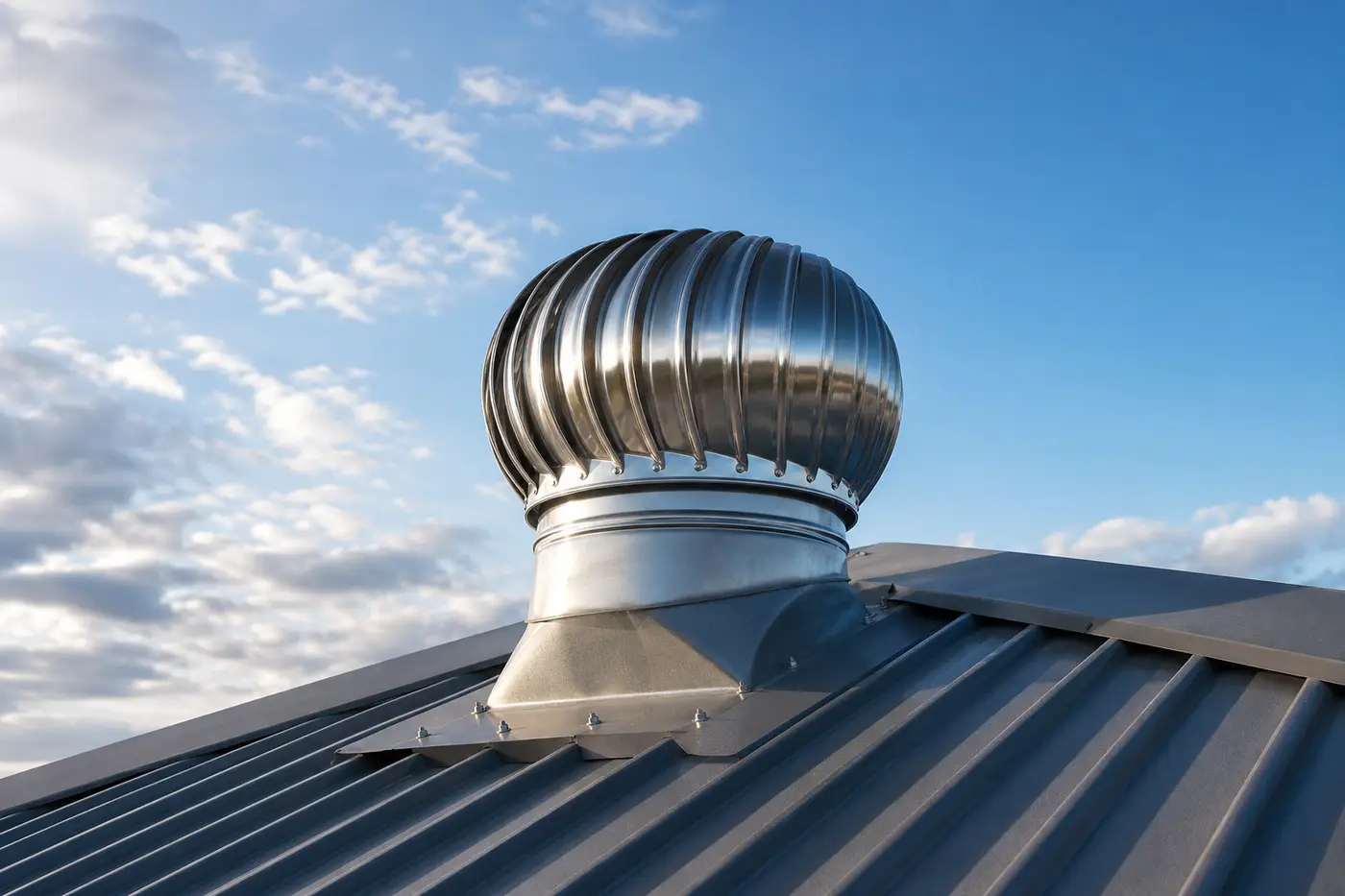
The irony of wind-driven roof ventilation is that it works best on windy days and least on the still, baking-hot afternoons when a warehouse roof space actually needs airflow the most. That's not a flaw exactly — it's just the physics of a device that relies on wind to spin — but it's the single most important thing to understand before sizing a warehouse ventilation strategy around whirlybirds alone.
How each system actually works
Wind-driven ventilators (whirlybirds) use wind passing over the turbine to create suction that draws hot air out of the roof space, with zero running cost and no electrical connection required. They perform well on breezy days and cost nothing to run over the building's life. Powered roof vents — solar or mains powered, with thermostat control available — move a consistent volume of air regardless of wind conditions, drawing on either a small solar panel or the building's mains supply, and can be set to activate automatically once roof space temperature crosses a threshold.
Where wind-driven vents fall short
On a warehouse with significant roof space heat load — machinery, packed inventory, or simply a large uninsulated roof area — the hottest days are frequently the stillest, particularly in Melbourne's summer high-pressure systems. A whirlybird sized correctly for average conditions can underperform exactly when heat extraction matters most, because there's no wind to drive it.
When powered ventilation earns its running cost
- Roof spaces with genuine heat load from equipment, occupancy, or extensive uninsulated area, where relying on wind alone risks heat buildup on still, high-heat days.
- Buildings where indoor temperature directly affects product, equipment or worker comfort — the cost of powered ventilation's running expense is small against the cost of heat-related product or productivity loss.
- Sites with thermostat-controlled requirements — powered vents with thermostat control activate precisely when needed rather than running continuously, managing running cost.
A hybrid approach often wins
For many warehouse roofs, the most cost-effective solution isn't "all whirlybirds" or "all powered" — it's wind-driven vents providing baseline ventilation at zero running cost across most conditions, supplemented by a smaller number of powered units to cover peak heat load on still days. This captures the zero-cost benefit of wind-driven ventilation for the majority of conditions while closing the gap on the days it matters most.
The mistake we see most often is sizing whirlybird count purely against roof area using a generic ventilation rate, without considering the building's actual heat load profile. A warehouse storing temperature-sensitive stock needs a different ventilation strategy to an empty-shell industrial shed of the same roof area.
Sizing considerations beyond vent count
- Roof area and roof space volume
- Heat load sources (equipment, occupancy, uninsulated roof mass)
- Local wind exposure — a sheltered site behind other buildings gets less benefit from wind-driven vents than an exposed site
- Whether thermostat-controlled activation is needed for powered units
- Budget for running cost vs upfront powered vent installation
Send us the roof plan and a description of the building's use and heat load and we'll help size a ventilation strategy — wind-driven, powered, or a hybrid — matched to the actual conditions rather than a flat rate per square metre.